1. Introduction
Spy Combo is a combo deck that builds its win condition around the interaction between Balustrade Spy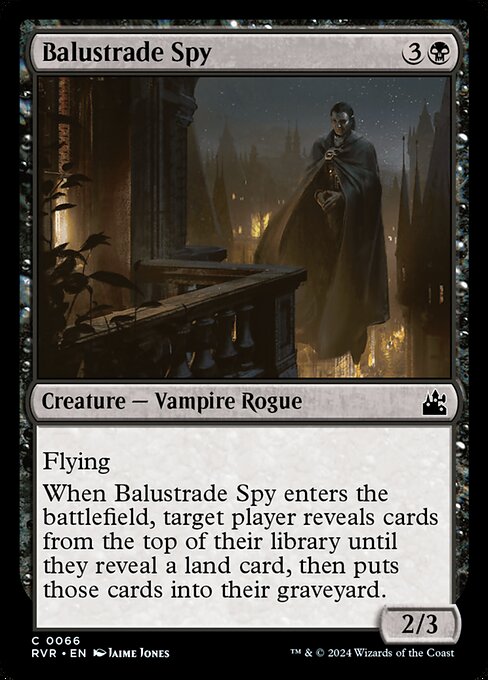 , our own deck, and Dread Return
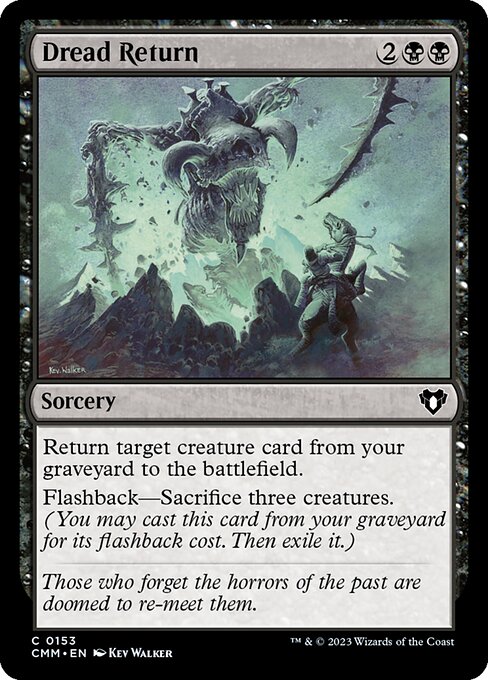 , with the end goal of reanimating Lotleth Giant
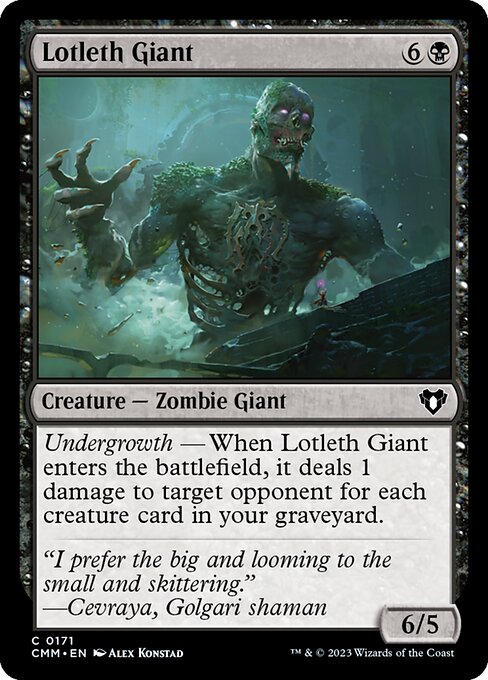 and closing out the game directly through its ability.
At first glance the plan looks extremely simple: find the handful of lands in the deck, play Spy, mill yourself completely, and use the graveyard to assemble the combo.
The problem is that, as is often the case with combo decks, being able to execute the combo on paper is one thing. Pulling it off in a real game, against an opponent who can interact with you, is a completely different story.
The format is full of hate and graveyard answers. The combo is very strong and, above all, very fast, a trait that lets it steal games that would otherwise probably be lost. At the same time, though, it is extremely easy to disrupt.
For this reason, Spy can't be considered purely a combo deck. A large part of its strength actually comes from the ability to play a genuine midrange game, taking advantage of the enormous amount of mana our creatures can produce.
2. How Spy Combo Works
2.1 The Win Condition
The deck normally runs four or five lands, and in the early turns our main goal is to tutor those lands out of the library as quickly as possible.
Once every land has been removed from the deck, we can play Balustrade Spy
.
When this creature enters, target player reveals cards from the top of their library until they reveal a land card, then puts those cards into their graveyard.
Remember: this is an ETB trigger, not a choice made at cast time.
At that point the target is ourselves.
Since we no longer have any lands left in the deck, Spy lets us mill through essentially the entire library and send every card we need to complete the combo straight to the graveyard.
2.2 The Combo: Balustrade Spy, Dread Return, and Lotleth Giant
Once the deck has landed in the graveyard, we naturally find Dread Return
there.
Dread Return lets us reanimate a creature from our graveyard, and it also has flashback.
Flashback—Sacrifice three creatures. (You may cast this card from your graveyard for its flashback cost. Then exile it.)
The ideal target is obviously Lotleth Giant
, a Zombie Giant creature with Undergrowth.
Considering that our graveyard contains essentially the entire deck, the damage the Giant deals is normally enough to end the game on the spot.
At that point, the job is done:
Balustrade Spy
→ mill the deck → Dread Return
→ Lotleth Giant
→ lethal damage.
Simple.
At least on paper.
3. The Deck's Game Plan
3.1 Early-Turn Strategy
Spy's opening plan is fairly unusual compared to most combo decks.
We don't necessarily need to try to close out the game as fast as possible.
In the early turns, our main job is to develop our mana.
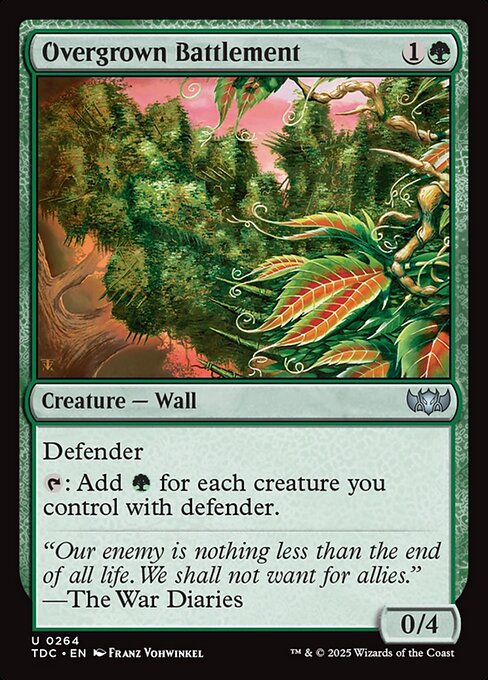
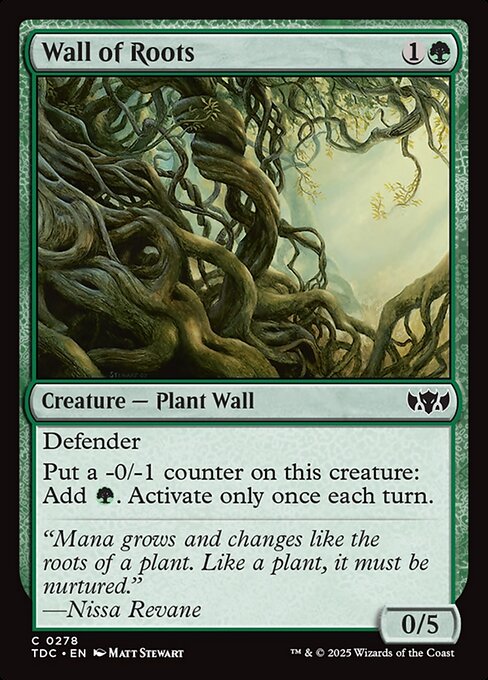
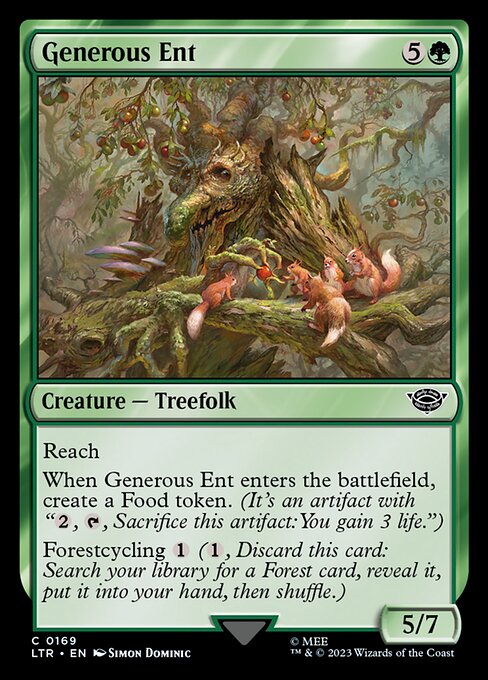
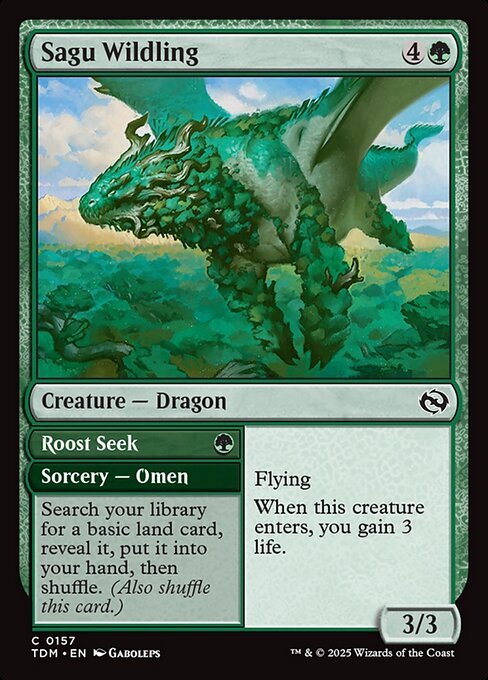
The deck leans on a number of mana-producing defenders, such as Saruli Caretaker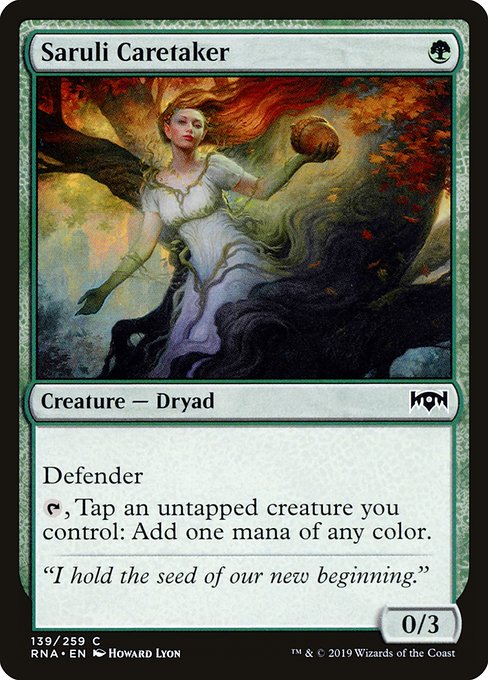 , Overgrown Battlement
 , and Wall of Roots
 , plus creatures that help us find lands like Generous Ent
 , Sagu Wildling
 , Troll of Khazad-dûm
 , and Gatecreeper Vine
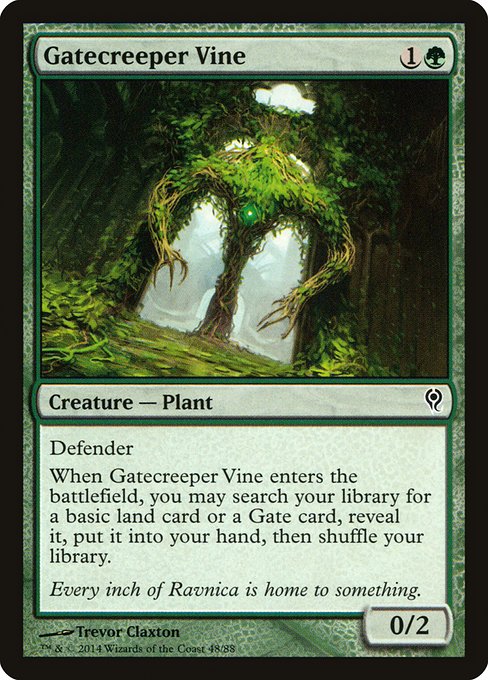 .
.
This means we can quickly develop far more mana than is normally available during the early turns of a game.
3.2 The Midrange Plan
And this is where one of my favorite things about Spy comes in.
If the combo isn't immediately available, we can simply play the game.
Our defenders let us produce a huge amount of mana, and over the medium-to-long term, we can turn that mana into very large creatures.
Among our main threats are:
- Generous Ent
- Troll of Khazad-dûm
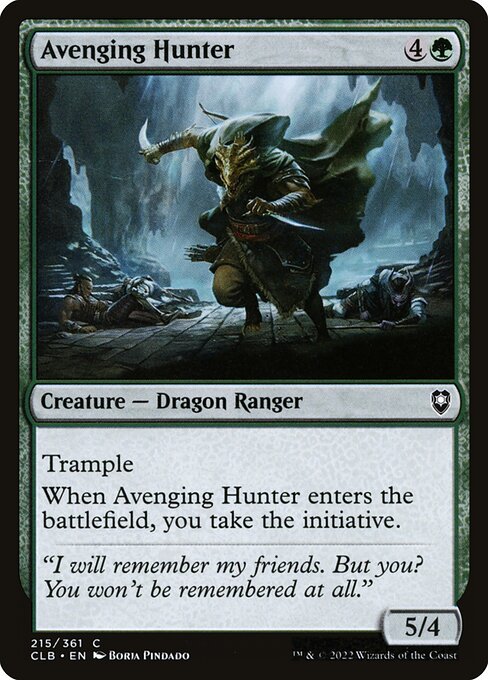
- Avenging Hunter
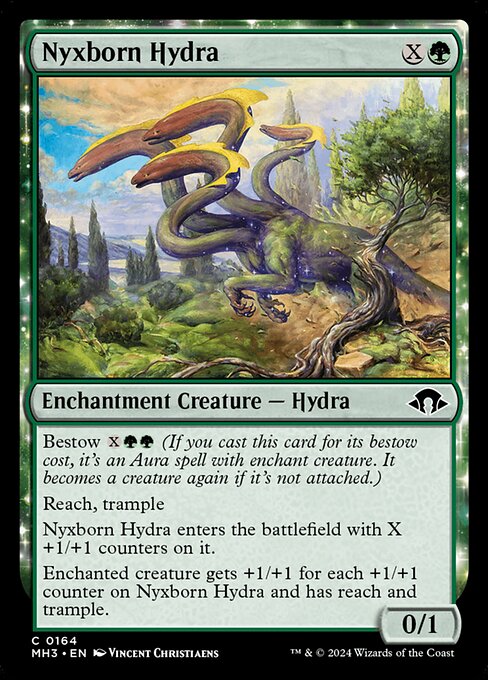
- Nyxborn Hydra
This plan matters a lot, because the opponent often has to decide how to handle two completely different threats.
On one hand, they have to worry about the combo.
On the other, they have to keep our massive mana advantage from turning into creatures too big to handle.
It's exactly this ability to switch from combo to midrange that makes Spy a particularly interesting deck to play.
3.3 Why Play Spy Combo?
In my opinion, Spy is a very fun deck.
Sometimes it's nice to just go off and hope everything lines up. (I know, you're not "supposed" to play that way. But I promise you that in some games it really is the only solution.)
Another thing I like about it is how adaptable it is to the pilot's play style.
Spy doesn't really have a true "stock" list.
There are several possible configurations, and a lot of the choices can change depending on the meta, how you want to play the deck, and, above all, how much you want to lean on the speed of the combo versus the stability of the midrange plan.
4. The Manabase
One of the first decisions to make when building Spy is how many lands to run.
There are mainly lists that run four lands plus zero, one, or two copies of Lotus Petal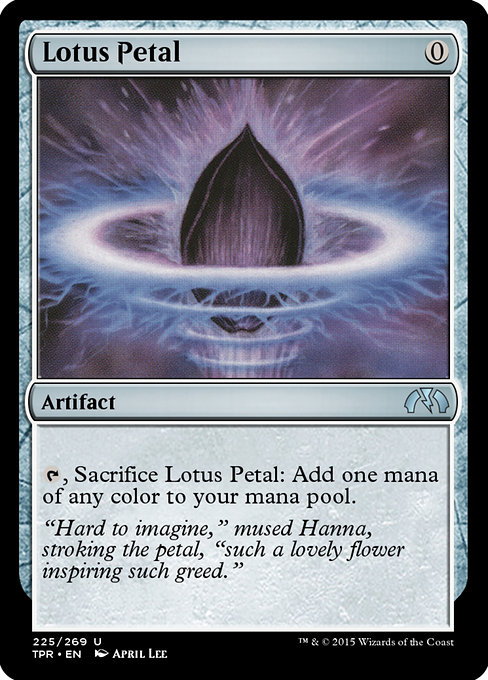 , or five lands, while a few brave souls even try six.
4.1 The Five-Land Version
The five-land version is slightly slower to go off.
Not by much, but once you try it you notice there are situations where you end up cursing that fifth land.
One example is Mono Red Madness, where every single turn can make a difference.
On the other hand, having five lands makes the deck much more stable against blue-based strategies.
The extra land makes it easier to reach the mana needed to play a Sagu
, or makes it less awkward to cast a Generous Ent
when we're under pressure.
I've tested the five-land version extensively, and it's the one that personally gives me the most confidence.
The problem is that the meta can be too fast.
In some medium-to-long tournaments, being able to steal a game in the very first turns can make an enormous difference.
4.2 The Four-Land Version
Here we need a slightly more delicate discussion.
With four lands the deck is faster, but it also becomes more sensitive to opening hands.
And this is exactly where the question comes in:
Lotus Petals
or no Lotus Petals?
My answer is simple:
I hate Lotus Petals
.
Yes, I said it.
It's true that they sometimes let us avoid a mulligan and make the deck slightly more stable from a probability standpoint.
But there's a problem.
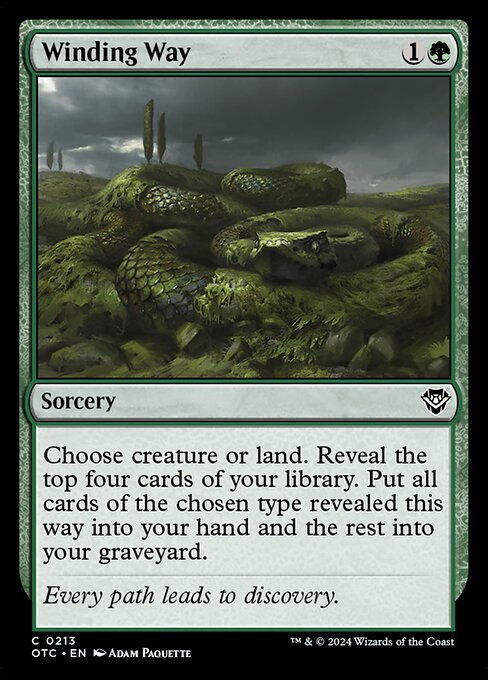
When we find them as a topdeck, or worse, during a Lead the Stampede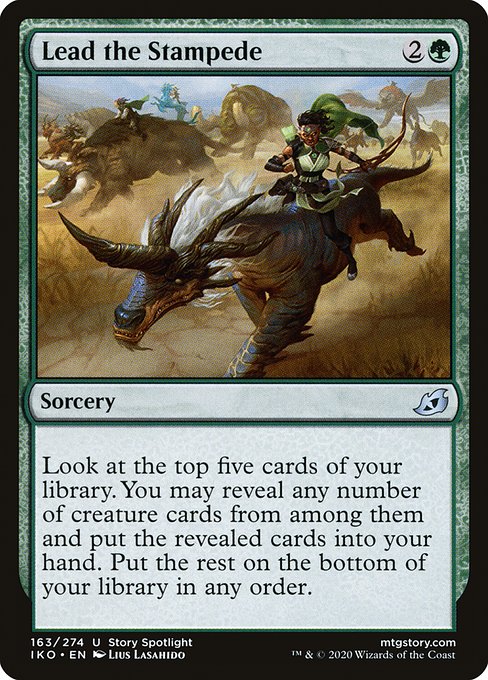 or a Winding Way
 , they're cards we absolutely do not want to see.
4.3 Lead the Stampede and Winding Way
This also applies to some of the cards that can end up in our deck.
You have no idea how many times Lead the Stampede
and Winding Way
can whiff.
The cards we don't want to see are:
- 2 Dread Return
- 2 Lotleth Giant
- 4/3 Lead the Stampede
- 4/3 Winding Way
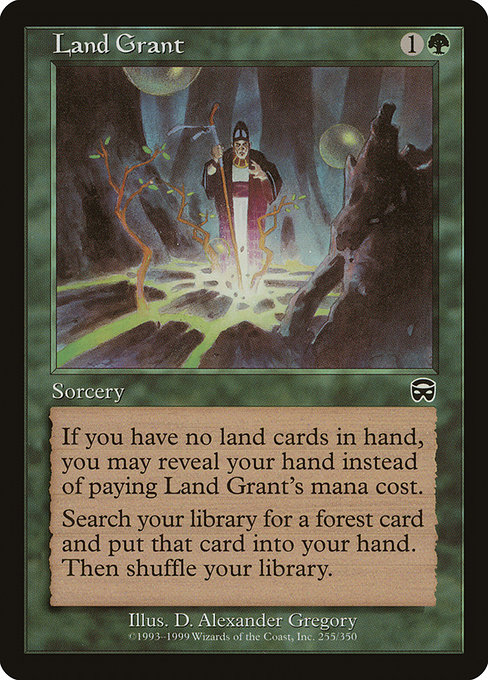
- 4/3 Land Grant
- the lands
It's true that over the course of a game the effective number of cards we don't want to see goes down.
But I promise you, sooner or later, you'll see them.
For this reason I personally prefer to mulligan rather than add more cards to the deck that risk landing in the graveyard or, worse, sitting dead in hand during a Lead the Stampede
.
5. The Mulligan
Spy is a deck that, ideally, wants to start the game with two lands in hand.
By "two lands" I also mean a land or a Land Grant
plus a cycler:
- Generous Ent
- Sagu Wildling
- Troll of Khazad-dûm
- Land Grant
- or other lands
In practice, the deck mulligans less than you'd expect.
It's a bit like the bumblebee that, according to the famous saying, shouldn't have the right build to fly but flies anyway because it doesn't know any better.
Spy really doesn't have enough lands to comfortably avoid mulligans.
And yet, in practice, plenty of seven-card hands are absolutely keepable.
Of course, there are also those games where we won't see a single land through four consecutive mulligans and we lose a game essentially for free.
But it's a risk that, in my opinion, is worth taking.
6. My List
Now that we've covered the deck's overall structure, let's get to the list I personally play.
The choice of individual cards isn't random, and some of them deserve a deeper discussion.
The lists below are pulled directly from Spy Combo, the deck I track here on MyDeckStats, so they always reflect whatever I currently have registered -not a fixed snapshot.
6.1 Main Deck
Creature
42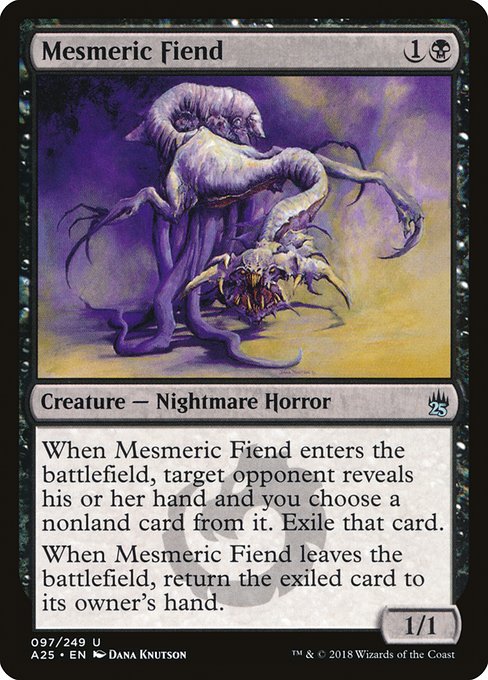
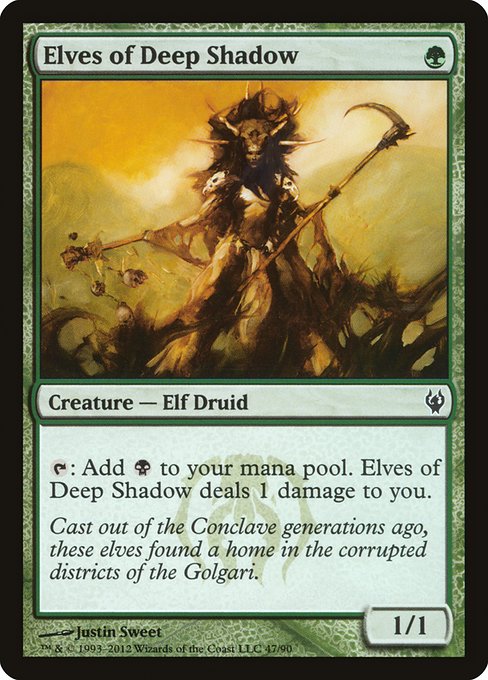
Sorcery
14
Land
4

6.2 Sideboard Guide
Creature
12
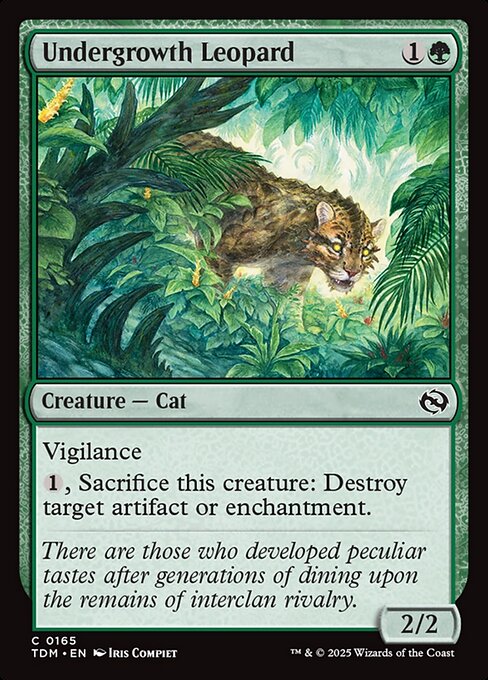
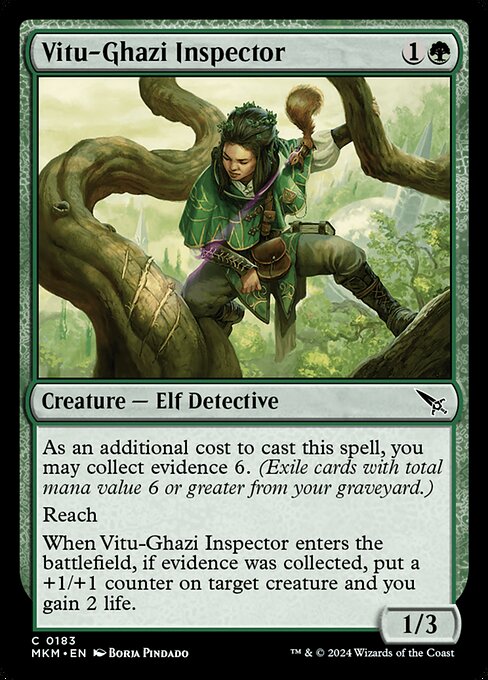
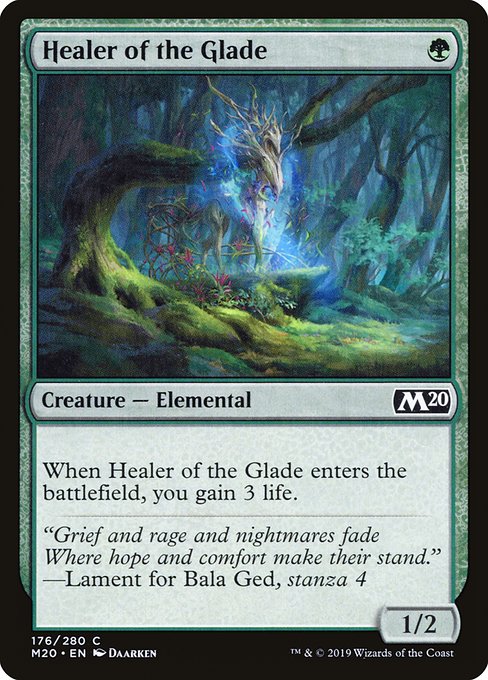
Artifact
1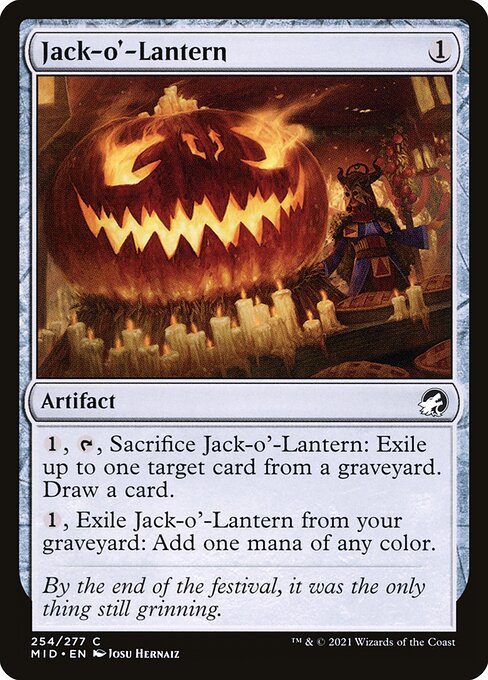
Instant
1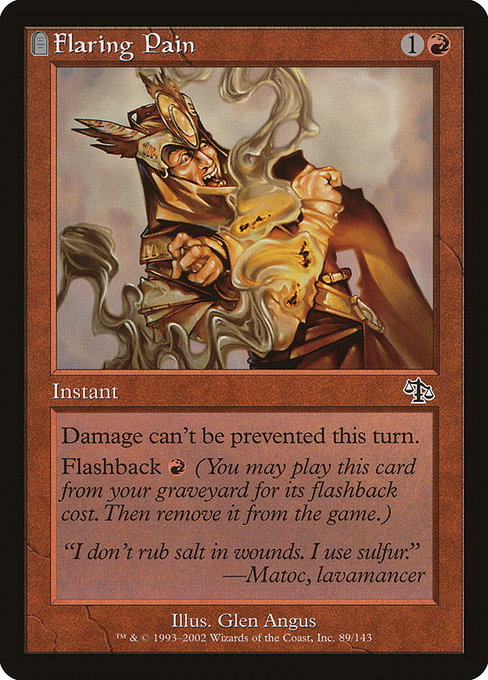
Land
1
6.3 Cards Considered
Not every card that gets real testing time earns a permanent slot. Here are a few I've spent a lot of games with outside the maindeck and sideboard, and what I learned from them.
Haunting Misery
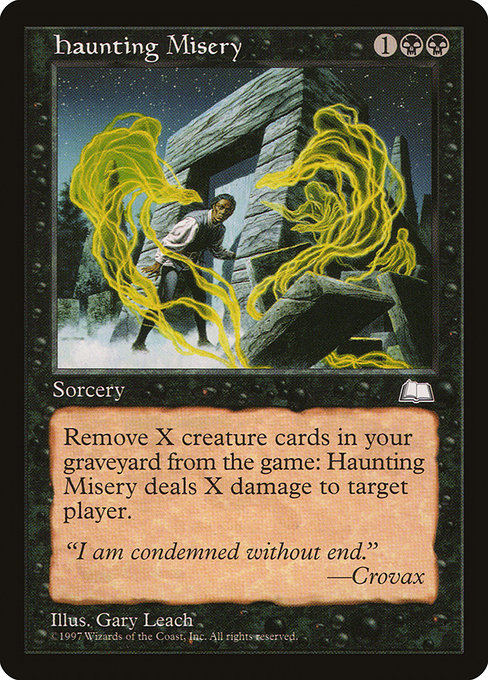
Haunting Misery deals X damage to target player or planeswalker.
I tested Haunting Misery
a lot. I liked it too.
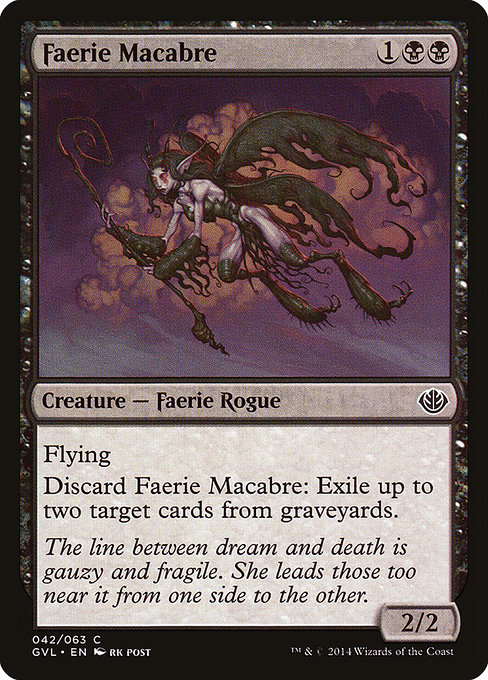
I'd bring it in for matchups where it was hard to have answers for Faerie Macabre
, Krark-Clan Shaman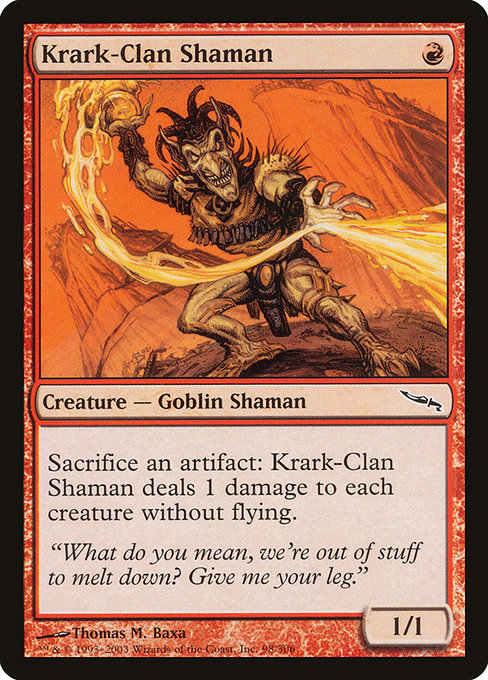 , Nihil Spellbomb
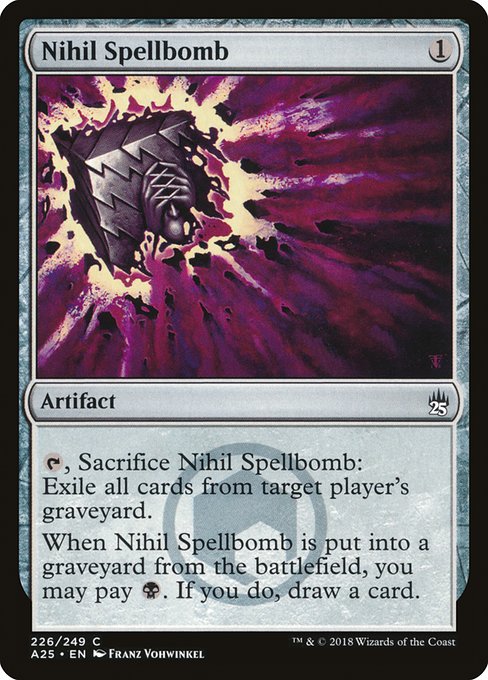 , and Thraben Charm
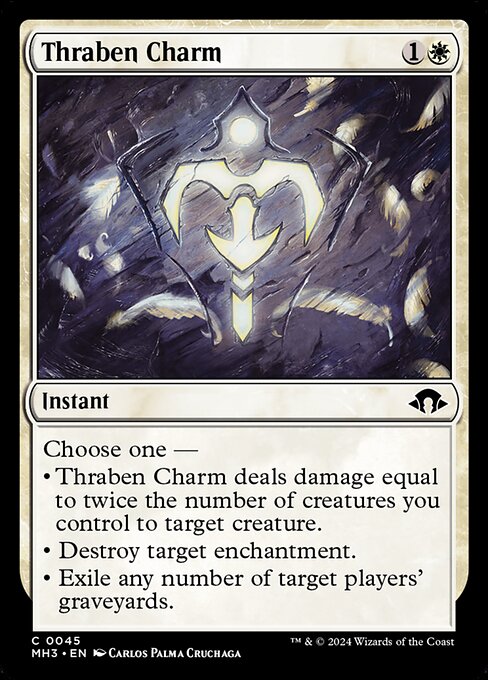 all at the same time, in a single card. Since removing the creature is an additional cost on top of casting it, the opponent can really only answer it with a counterspell.
I ran it in a five-land shell plus one copy in the sideboard (a second Swamp), so I could choose between going up to six lands or staying at five lands with two Swamps.
Over time, though, I realized it was awkward to have it in your opening hand and build the whole plan around it. It's a very, very strong answer to their game plan, but I've since preferred to cut lands and commit directly to the midrange plan instead.
Cast Down, Caustic Exhale
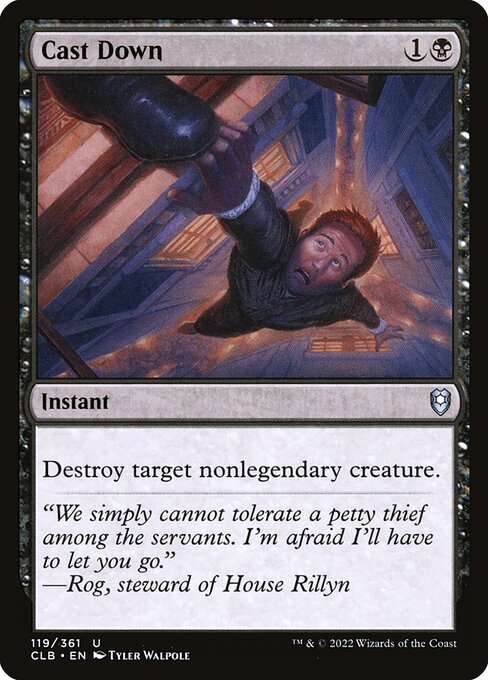
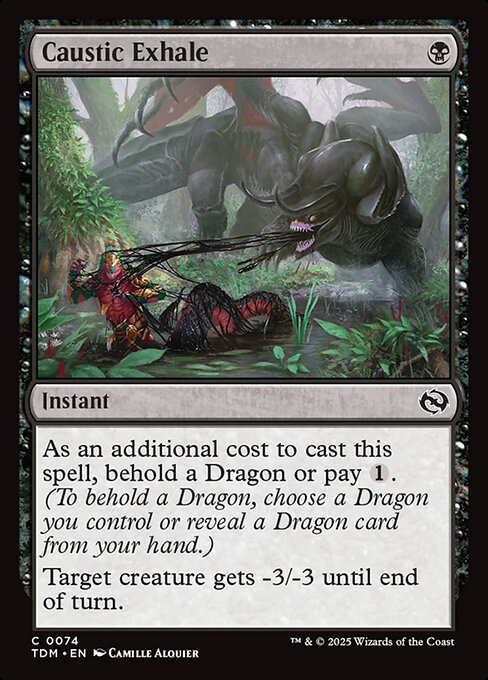
Target creature gets -3/-3 until end of turn.
Excellent cards that do interesting work in specific games. I used them against Mono Red Madness to kill Guttersnipe , maybe against Jund to take out Writhing Chrysalis
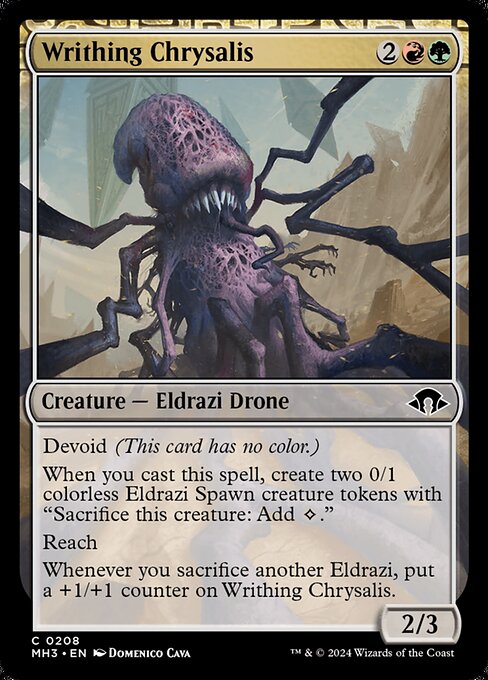 or Gixian Infiltrator
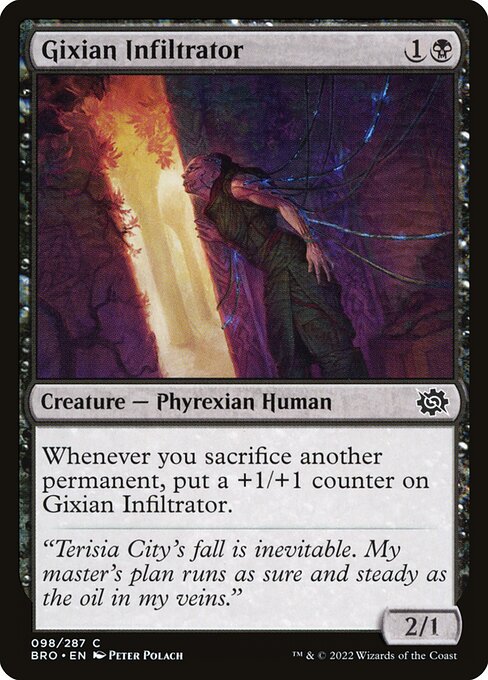 , and in a few other spots (even against Archaeomancer
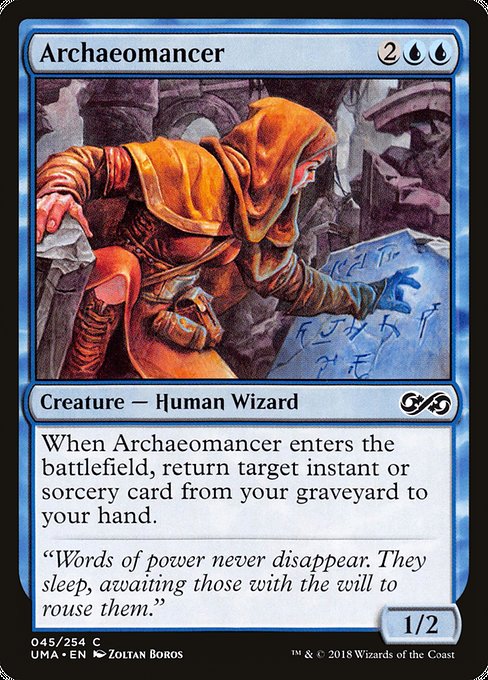 ).
).
But we're back to the same problem: you never want to draw them off Winding Way
or Lead the Stampede.
So they just didn't synergize well with the deck.
Acorn Harvest
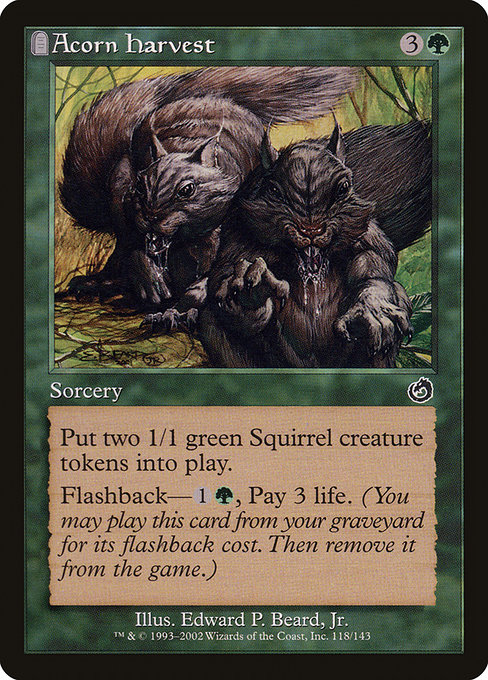
Flashback—, Pay 3 life. (You may cast this card from your graveyard for its flashback cost. Then exile it.)
Acorn Harvest
is a card that always leaves me confused. When I'm not running it, I miss it. When I try it, after a while, I end up hating it and cutting it.
I'll leave this one to your own judgment, because I honestly haven't found a definitive answer myself yet.
7. Core Card Analysis
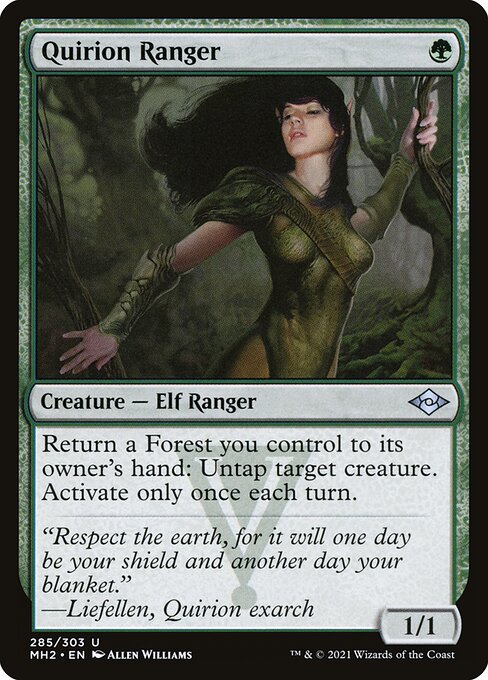
7.1 Quirion Ranger
I love Quirion Ranger
.
It's an extremely strong card and, in my opinion, one of the best in the deck.
There's no opening I like more than:
Turn one: land → Saruli Caretaker
.
Turn two: Quirion Ranger.
At that point we still have an unbelievable amount of mana for turn two.
Let's see why.
Turn one we play the land and cast Saruli Caretaker.
Turn two we play Quirion Ranger.
Saruli produces a mana by tapping Quirion Ranger.
Then we activate Quirion's ability, bounce the land back to hand, and untap Saruli.
We replay the land, tap it, and we're sitting on two mana in our pool.
At that point we can play Gatecreeper Vine
, grab another land off its ability, and use Saruli together with Gatecreeper again.
The result is that we still have mana left over to play a Sagu
or cycle something.
And that's only turn two.
In the mid game, Quirion Ranger gets even more absurd.
Imagine we have a couple of walls and an Overgrown Battlement
.
We tap the Battlement and produce four mana.
Then we use Quirion Ranger to untap it, and we can produce four more mana.
At that point we can comfortably cast a Hydra or an Ent.
And it doesn't stop there.
Quirion also lets us attack with a creature and then untap it after the opponent has declared blockers.
It also has a nice interaction against Sleep of the Dead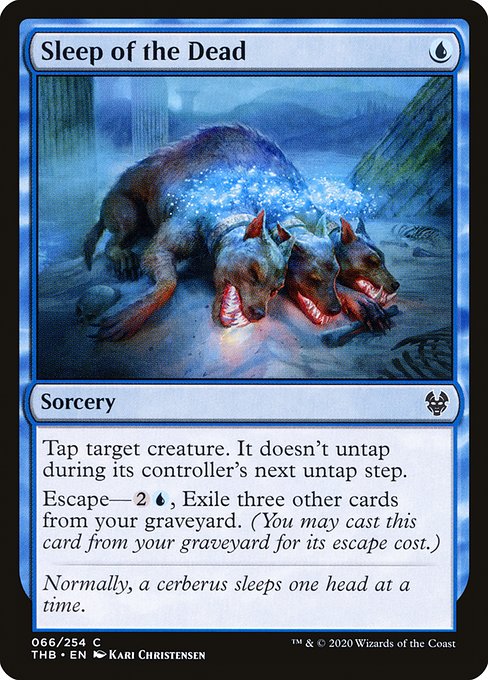 .
.
Let's just say that, if I could, I'd want Quirion Ranger as my mental coach for how it manages to bail out games that seemed completely lost.
7.2 Nyxborn Hydra
Reach, trample
This permanent enters with X +1/+1 counters on it.
Enchanted creature gets +1/+1 for each +1/+1 counter on this Aura and has reach and trample.
Nyxborn Hydra
is the card that can let us close out a game in a single turn.
More than once I've cast it for X=14 or X=15, put it on a creature, closed my eyes, attacked, and left it to the opponent to do the math for lethal.
"I rest my case, your honor."
Jokes aside, one of our worst enemies is Thraben Charm
.
For this reason, sticking a Hydra and still having four mana open to play Spy puts the opponent in a pretty uncomfortable spot: do they remove the Hydra, or do they hold their answer for the combo?
It's also very strong against Rally. At three mana we can create a blocker big enough to handle most of its creatures.
The reach keyword also matters a lot. It blocks Delver of Secrets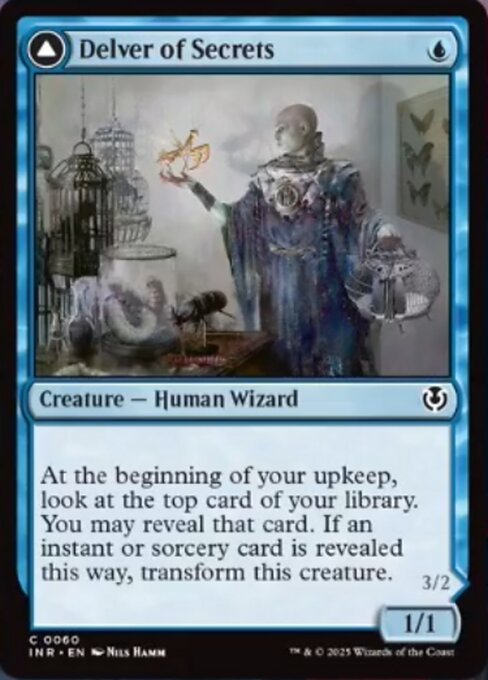 in the early turns, one of the most dangerous threats against us, but also the Faeries and the flying creatures out of Affinity.
7.3 Avenging Hunter
When this creature enters, you take the initiative.
Why do I play Avenging Hunter
in the sideboard and not the maindeck?
A lot of players try it directly in the maindeck, and it's undoubtedly a strong card.
I, however, get anxious about having to manage the emblem against certain decks.
For this reason I prefer to bring it in only for the matchups where I think it's genuinely necessary. Among these are, for example:
- Jund Wildfire
- Jeskai Ephemerate
- Naya
- Spy (the mirror)
- other matchups where the midrange plan becomes particularly important
7.4 Scattershot Archer
I hate Faeries.
I hate Battle Screech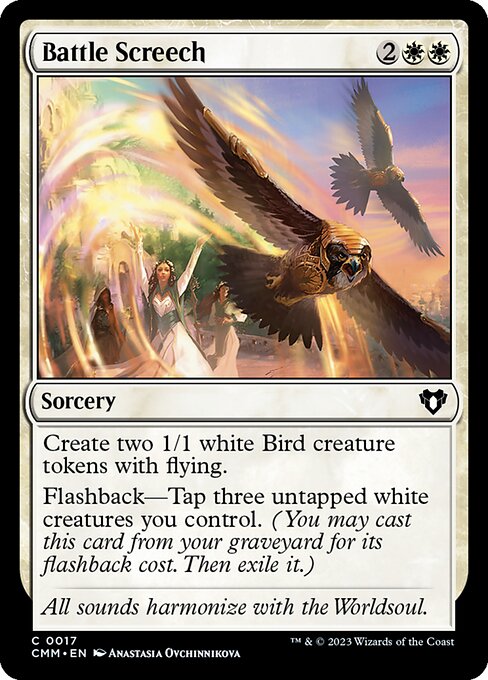 .
.
And I hate Sneaky Snacker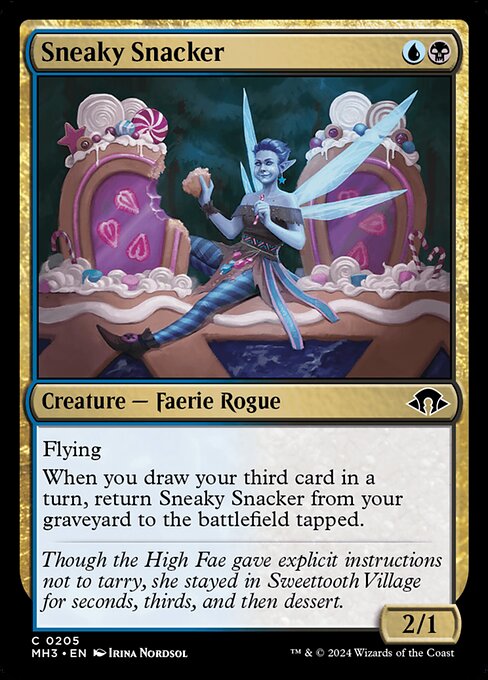 .
.
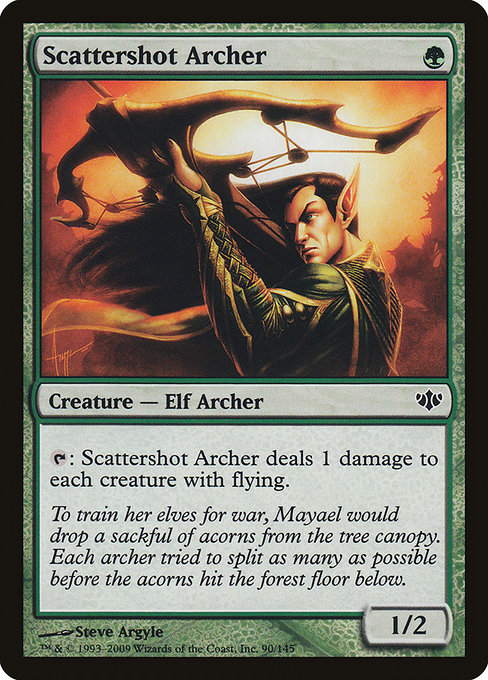
Scattershot Archer
exists pretty much specifically for these problems.
Against Faeries, if the opponent has enough Faeries to take advantage of Spellstutter Sprite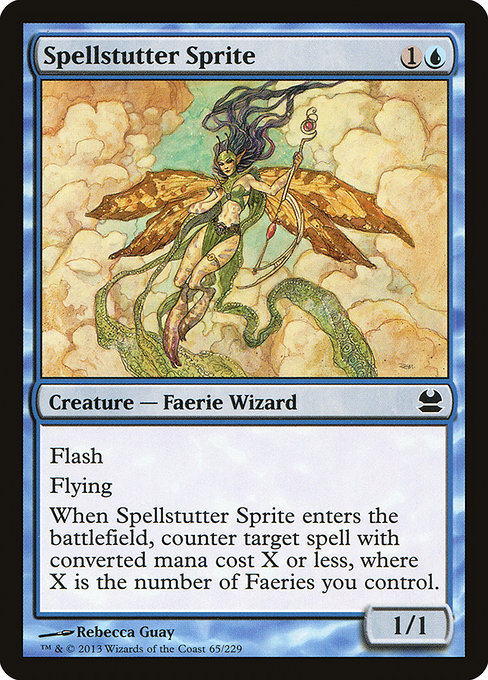 , we risk not being able to play at all anymore. So we need a way to control their board.
Against White Weenie, on the other hand, one of the cards that really puts us in trouble is Battle Screech. Scattershot Archer lets us reset the situation.
Sneaky Snacker
is annoying in several decks, especially Gates, so being able to handle it here too is extremely important.
There isn't much else to say about the Archer, other than that it can also be useful against flying creatures with toughness two, because it has a great interaction with Quirion Ranger (yes, that card again).
7.5 Jack-o'-Lantern and Flaring Pain
, Exile this card from your graveyard: Add one mana of any color.
Flashback (You may cast this card from your graveyard for its flashback cost. Then exile it.)
These two cards exist mainly to deal with Prismatic Strands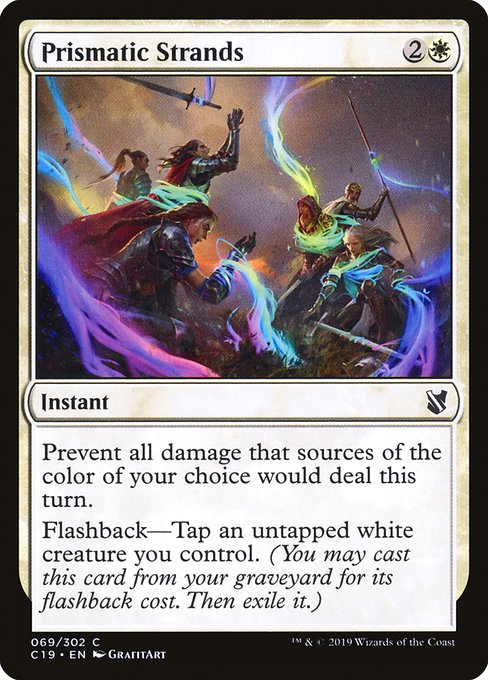 and, more broadly, with every card that prevents damage.
The interaction is fairly simple. We send everything to the graveyard with Spy, get a mana of any color, and use Jack-o'-Lantern
's ability from the graveyard to filter it into red. At that point we can cast Flaring Pain
.
You don't necessarily need to play it in response to a Strands. The ruling lets us make the damage unpreventable, so any prevention effects played after it resolves won't do anything either.
8. Matchup Analysis
8.1 Favorable Matchups
Mono Red Rally 85.7% Match WR · 75.8% Game WR
We like this matchup.
Every creature we put on the battlefield stops the opponent from dealing damage.
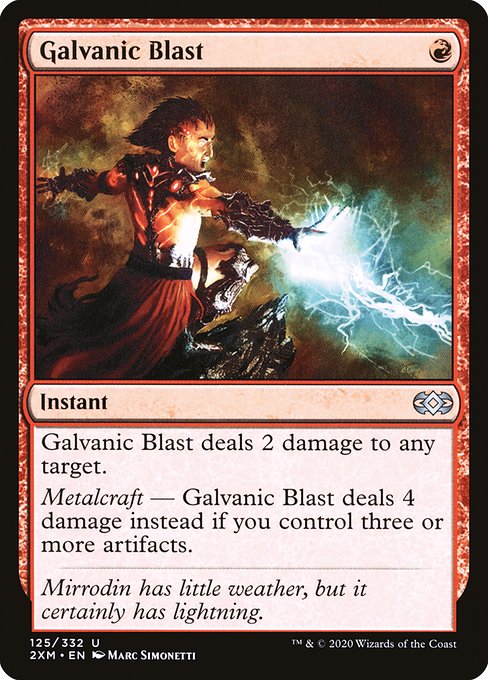
To remove our pieces they need to use a Lightning Bolt or a Galvanic Blast
 , and that buys us time.
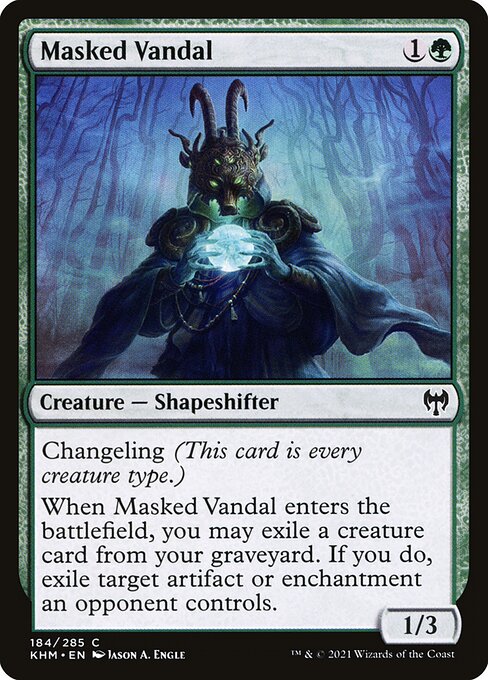
Masked Vandal
is particularly strong because it can exile Clockwork Percussionist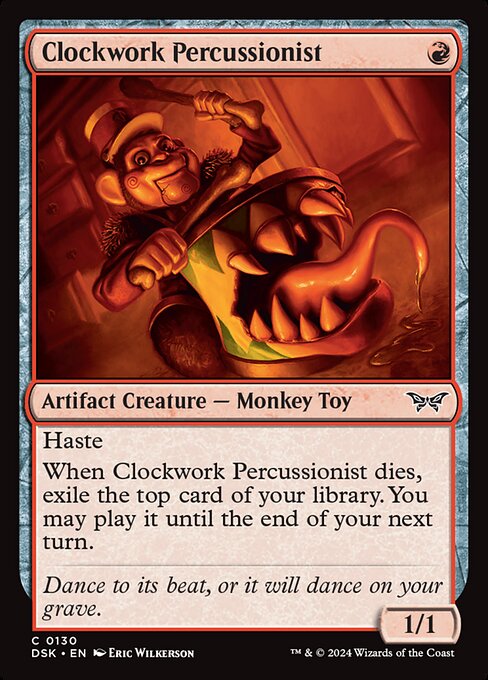 , stopping it from generating further advantage. Alternatively, we can exile Experimental Synthesizer
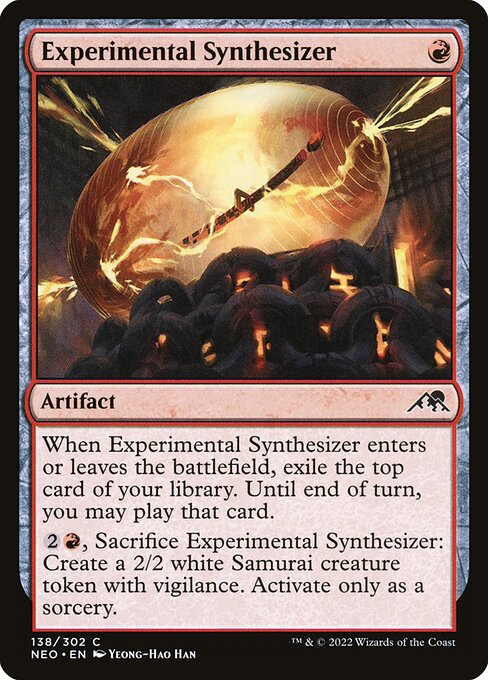 when the opponent is tapped out, forcing them to lose a card.
In Game 1 they have essentially no interaction with our combo, unless they can remove our third creature with a burn spell or a Fireblast.
If we play carefully, there isn't much they can do.
In Game 2 we bring in more artifact hate to deal with their Relic of the Progenitus or some of their creatures, plus a bit of lifegain to buy the time we need.
Mono Blue Terror 58.6% Match WR · 56.3% Game WR
In general, it can't keep up with our plan.
If it can't apply immediate pressure with Delver of Secrets
, we have time to go wide with our creatures. A Generous Ent
is also an excellent wall against their Serpents.
The main problem is Counterspell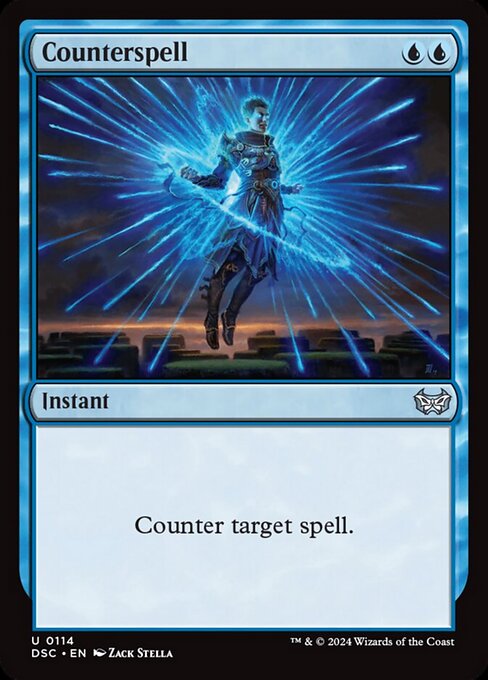 . But here too we have an interesting interaction: if we have six creatures and the opponent only has two mana open, they can choose to counter Spy (the best line), otherwise we can cast two Dread Returns and still win. The first would get countered, but the second would resolve.
If we need to go off early and the opponent has one mana open, we also need to remember to hold two extra mana to play around Spell Pierce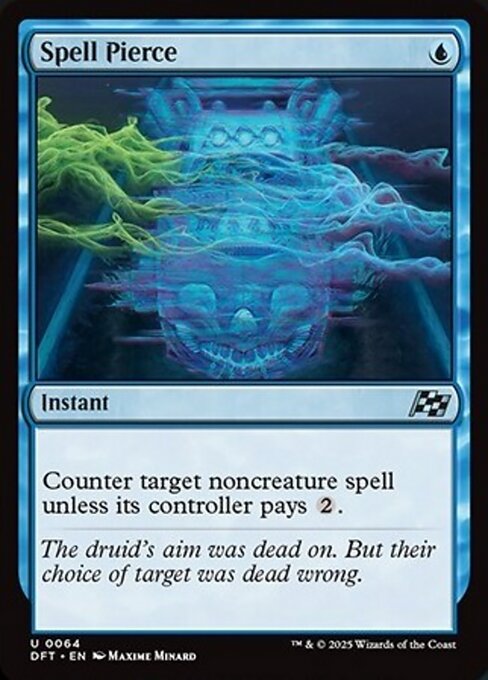 .
.
The hardest part of the matchup is the start: if we go first, no problem. If they go first, we need to consider the possibility that they have Spell Pierce
or Force Spike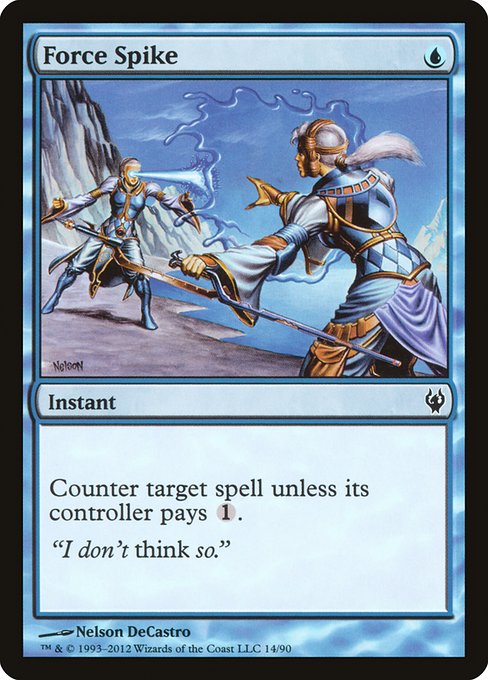 for a Land Grant or another important spell. Once we're past that first hurdle, the game tends to get a lot easier.
Monster Tron 76% Match WR · 69.5% Game WR
Tron can potentially start as early as turn three.
We, in the ideal scenario, can close out the game as early as the following turn.
So they need an open green mana for Crop Rotation, or they need to already have the Relics in their opening hand.
Either way, we have a lot of interaction against their artifacts.
Mesmeric Fiend
is also particularly annoying because it forces the opponent to use a removal spell on it instead of on an Ent or a Hydra.
In general we start ahead because we can attack them on multiple fronts at once.
Other Tron Decks
The other Tron decks are also generally slower than us.
We mainly need to watch out for:
- Flicker effects (Ghostly Flicker
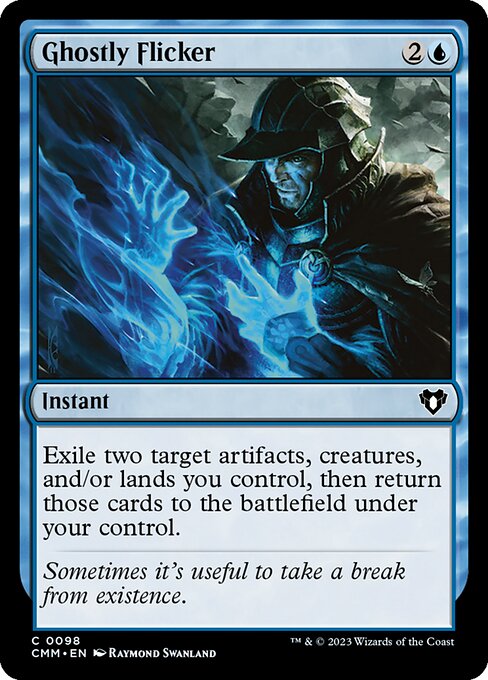 )
) - Bojuka Bog

- Crop Rotation
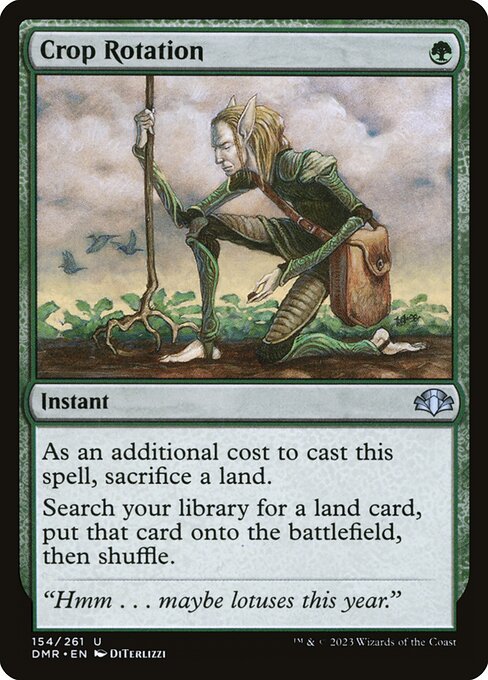
- any instant-speed answers
Post-side, their most common answers to our graveyard tend to be artifacts, like Nihil Spellbomb
or Relic of Progenitus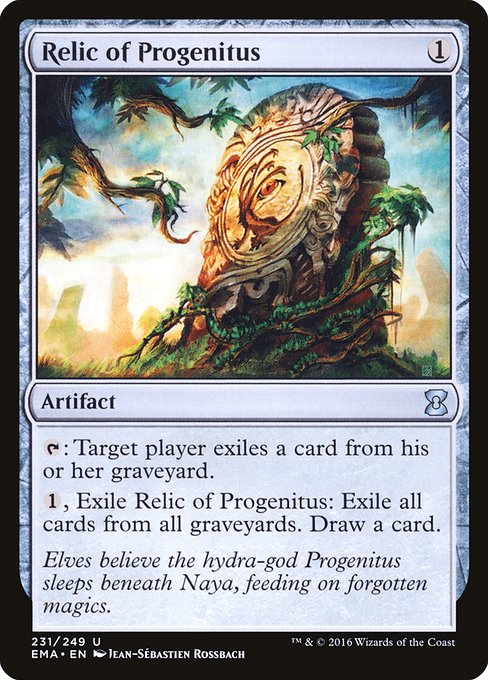 . And, paradoxically, that doesn't worry us much, because we have a lot of artifact hate.
White Weenie 73.3% Match WR · 67.6% Game WR
I'll go out on a limb and put White Weenie in the favorable matchups too.
It's true that in Game 1 we can't just go off without thinking, because they might have Prismatic Strands
in the graveyard or Thraben Charm
in hand.
But we're able to put a huge number of creatures on the battlefield. The Ents and the Sagus make excellent walls, and if needed we can close the game with a Hydra.
Post-side the situation gets a lot better. Prismatic Strands becomes useless, and Scattershot Archer lets us handle their creature-based plan.
Faeries 84.6% Match WR · 71.9% Game WR
Here too, Game 1 doesn't look particularly pretty.
But in Game 2 we add the Archers and the game changes completely.
We can also use Masked Vandal
to remove any enchantments that lock down our creatures, or we can exile a Moon-Circuit Hacker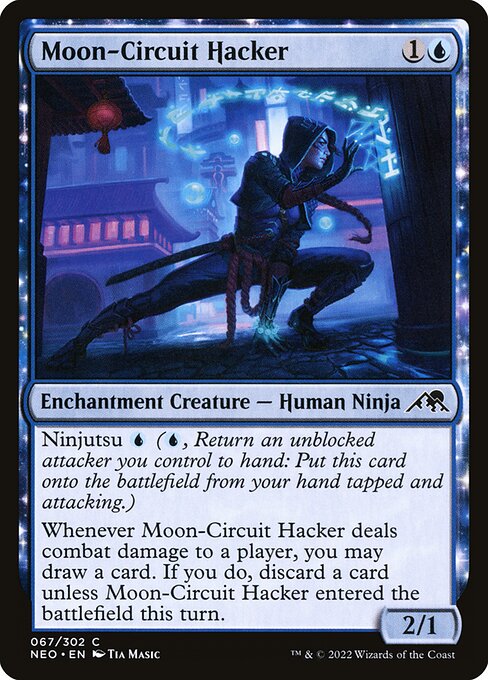 .
.
Our creatures are also big enough that they don't die easily to their Ninjas, and we can block them for a long time.
Gruul Ramp (Beasts) / Ponza 81.5% Match WR · 75% Game WR
Ponza doesn't scare us much either, mostly thanks to Quirion Ranger
.
It doesn't have many efficient removal spells for our creatures, and, above all, in Game 1 it has no real answers to the combo. So we can play with relative peace of mind.
Masked Vandal
also lets us remove any enchantments on lands and further slow down their plan.
Post-side we bring in more hate against artifacts and enchantments.
The only real problem is when they manage to land an early threat that forces us to play under pressure - usually Boarding Party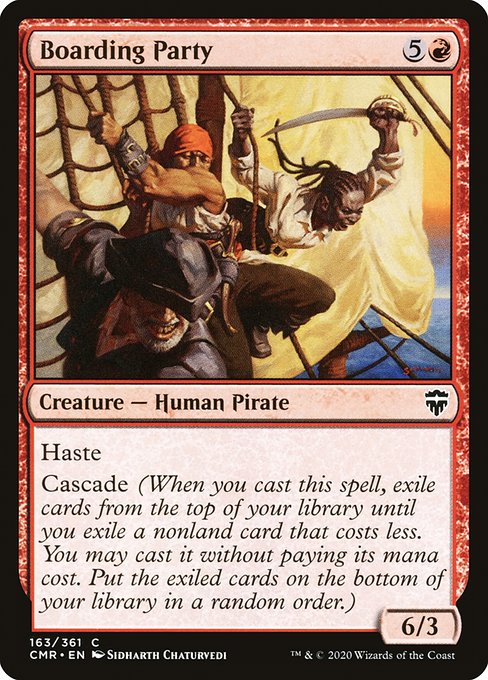 turning on the Initiative, backed up by Avenging Hunter
.
turning on the Initiative, backed up by Avenging Hunter
.
8.2 Even Matchups
Elves 50% Match WR · 53.5% Game WR
Game 1, Elves has no interaction with us.
Game 2, they can have two or three copies of Faerie Macabre
, so the statistics swing back in our favor.
The problem is speed. If we don't find Spy fast enough, it only takes them about five turns to put us out of the game.
As a result, it's a race to see who can produce mana faster.
Mesmeric Fiend
is essential, because we need to try to take away Titania or Timberwatch Elf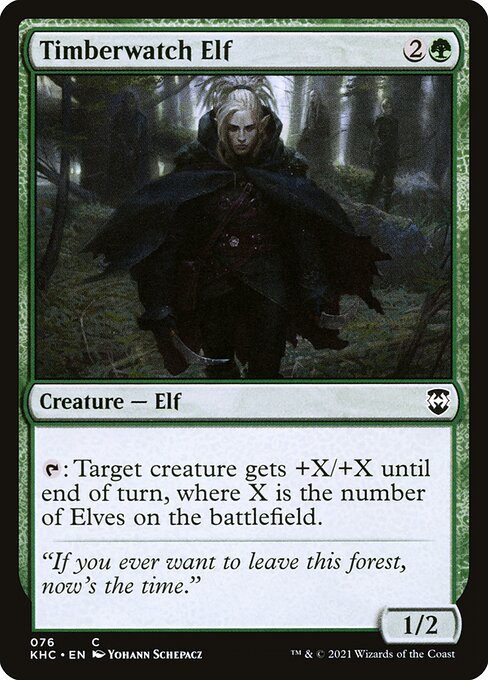 and buy as much time as possible.
UB Terror 71.4% Match WR · 55.6% Game WR
Unlike its mono-blue sibling, UB Terror plays removal. And if they see it early, it can be a massive problem.
If they manage to remove our Overgrown Battlement
, we become much slower and give them the time they need to find their Tolarian Terror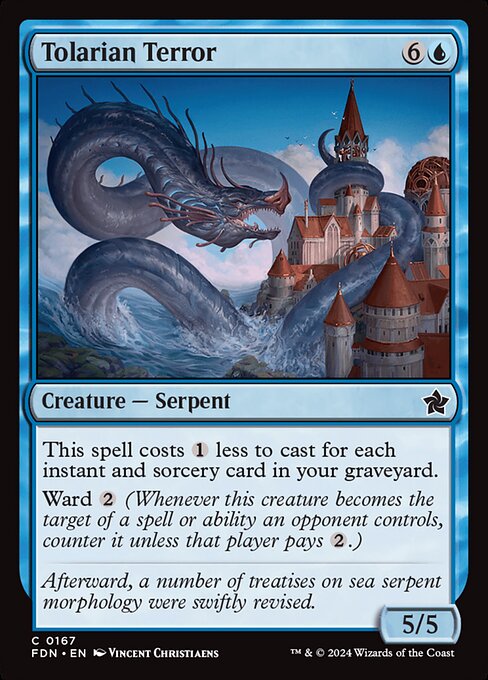 or Gurmag Angler
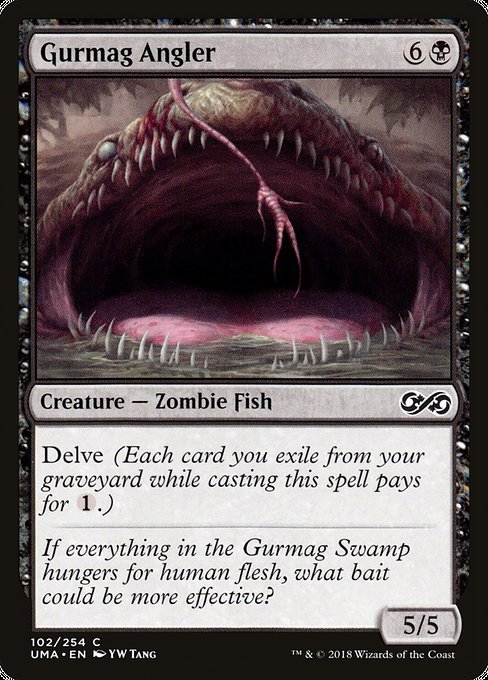 . At that point the game can go very badly.
So we need to play carefully and try not to expose ourselves to multiple answers at once unnecessarily.
Grixis Affinity 55% Match WR · 53.8% Game WR
Here we need to prepare for Toxin Analysis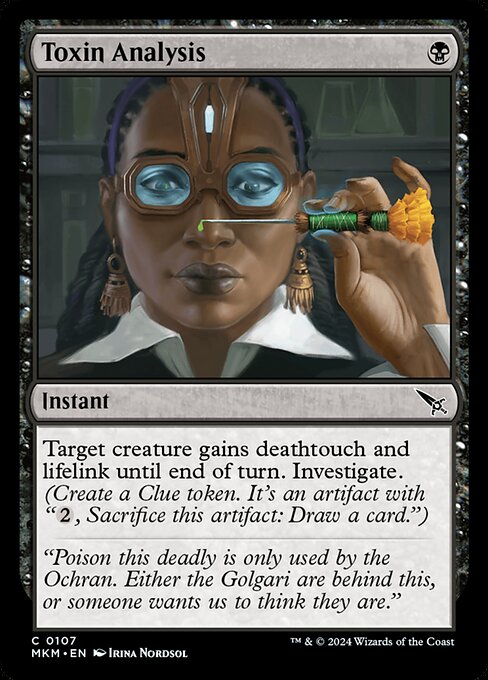 plus Krark-Clan Shaman
. That's the interaction that actually beats us. It's not Nihil Spellbomb
. It's not their artifacts. It's that damned interaction.
plus Krark-Clan Shaman
. That's the interaction that actually beats us. It's not Nihil Spellbomb
. It's not their artifacts. It's that damned interaction.
Their creatures, on the other hand, don't scare us much. Refurbished Familiar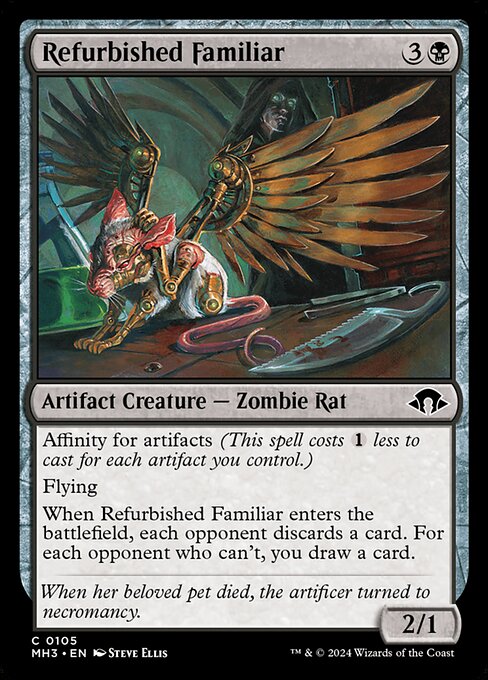 makes us discard dead cards and runs straight into our Spy. Utrom Monitor
 dies to Sagu or Ent. Wall of Roots
can block Myr Enforcer
dies to Sagu or Ent. Wall of Roots
can block Myr Enforcer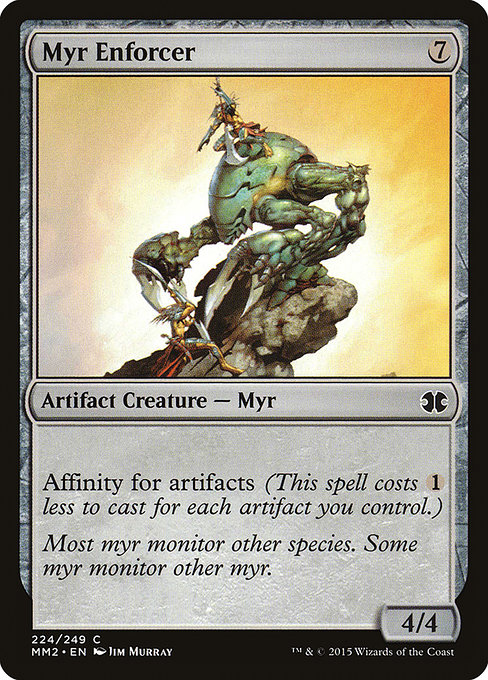 pretty much forever.
The problem is their Krark-Clan Shaman
, which can frequently reset our board. We need to be patient and know when to rebuild.
Post-side we have a lot of artifact hate and the matchup gets more favorable. I often prefer to go first and deny them lands, because, unlike Wildfire, Grixis has a much harder time managing its mana. If we can strip their red whenever possible, we can shut them down completely.
RG Storm 50% Match WR · 40% Game WR
Here neither side really interacts: not us with them, nor them with us. It's a game of solitaire. The matchup comes down to a race for who goes off first.
The problem is that they also go off fairly quickly. Whoever wins the die roll starts at roughly 60/40.
Gates Decks
We can handle them. Mesmeric Fiend
is essential.
They're afraid of our giant beaters. We, on the other hand, are terrified of the lifegain from Basilisk Gate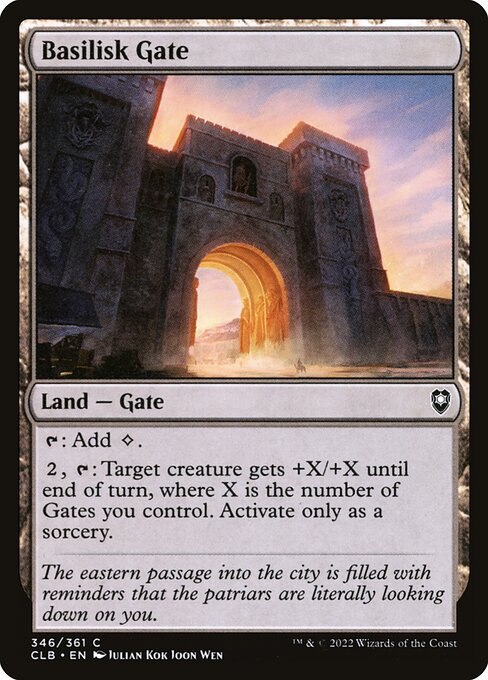 .
.
The point is that we force them to play slower than they'd like to. They always have to keep mana open to answer our threats, and that gives us time to decide which plan to run.
UWx Familiar 33.3% Match WR · 33.3% Game WR
Playing against UWx Familiar is never fun. Our winning weapon, though, is Nyxborn Hydra
.
They're constantly focused on trying to stop us from going off, and that slows down their own plan. We, on the other hand, can focus on landing a gigantic Hydra and try to go over the top of their creatures.
Jeskai Ephemerate 37.5% Match WR · 43.9% Game WR
A very close, hard-fought game. It's a genuine race against the clock.
We need to land enough big creatures that they can't keep up with our board using Skred and their other removal.
Alternatively, we need to go off before they can set up their Ephemerate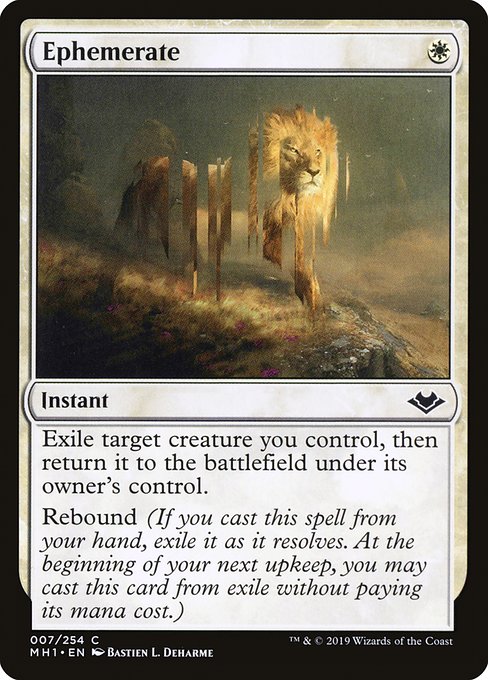 plus Archaeomancer
engine.
plus Archaeomancer
engine.
Avenging Hunter
gives them a lot of trouble and is one of the main reasons I like having it post-side.
8.3 Unfavorable Matchups
UB Faeries 40% Match WR · 46.2% Game WR
Eh... They have it all. Removal. Counters. Card advantage from the monarch. Deathtouch. And, above all, the time they need to deal with whatever we're doing.
Against this deck the solution is often simple: close your eyes and go off. Hope their Augur of Bolas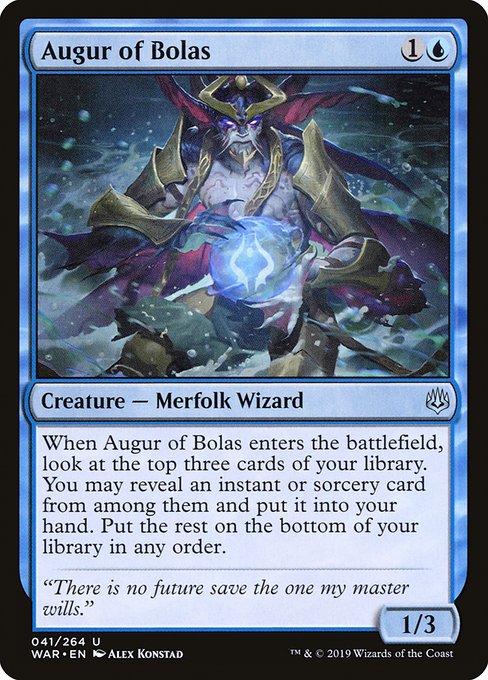 whiffs. Hope they don't find four of their twelve Snuff Out
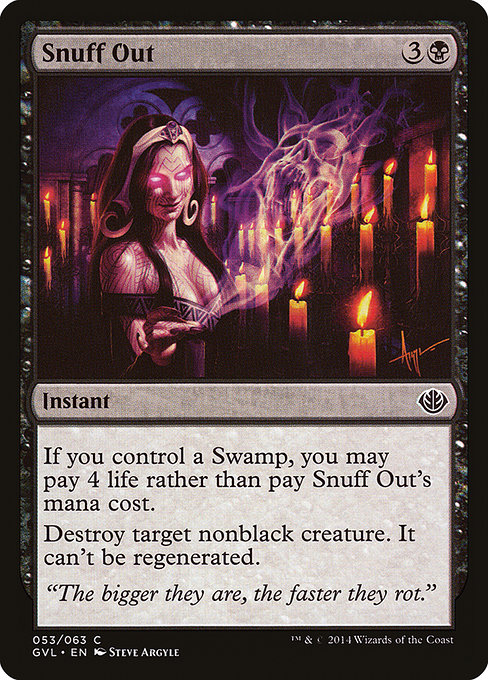 .
.
There isn't much more to say. The monarch is a huge problem. Deathtouch means we can't simply use our most valuable defenders as blockers.
Often the game reaches a point where they're in complete control of the situation.
Mesmeric Fiend
becomes essential here. It doesn't die to Snuff Out and can hold particularly important cards hostage.
Caw-Gates 33.3% Match WR · 42.9% Game WR
This is the Gates-based deck that gives us the most trouble. The reason is simple: it has no problem buying time. In fact, buying time is its whole plan.
Here we need to arm ourselves with patience and try to play every card as well as possible. We can't just force the combo. We have to wait for the right moment.
8.4 "Annoying" Matchups
These are the matchups we can win, but that make us sigh when we see them across the table.
Mono Red Madness 48.1% Match WR · 51.1% Game WR
The keyword is speed. We can't afford to remove their Guttersnipe
, and every spell they manage to cast can deal anywhere from two to six damage. Fireblast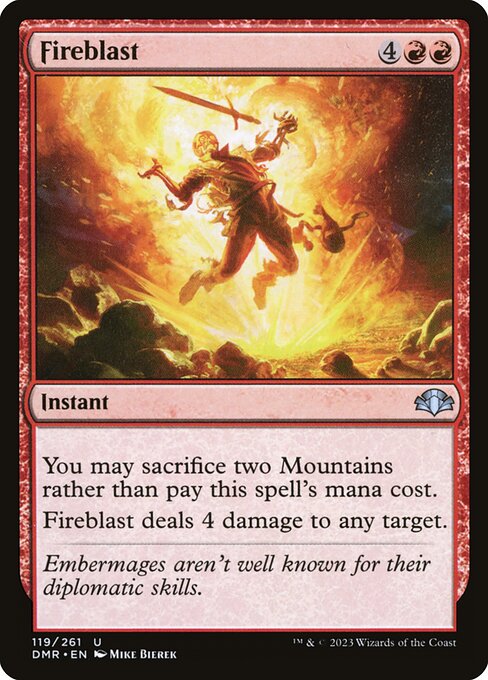 is also a very strong weapon in the early turns because it can interrupt the combo by killing our third creature after we've already chosen Spy's target.
The good news is that, early on, their burn spells are often forced to go at our creatures. That buys us time. And the combo turns out to be more nimble than you'd think.
Post-side we add hate against Sneaky Snacker
and cards that let us gain just enough life to survive.
Jund Wildfire 44.4% Match WR · 46.4% Game WR
Jund has answers to pretty much everything, just like Grixis. The difference is that its "chrysalises" are quite annoying. It also ramps and can recur its own lands, so land-denying it is much less effective than it is against Grixis.
The good news is that it doesn't always find the answers it needs right away. That lets us go off early.
If the game goes long, especially post-side, Avenging Hunter
becomes very important. Even a Hydra placed on a Sagu or a Spy can become an enormous threat.
My favorite opening against Jund Wildfire is taking out their first bridge and putting a 4/4 Hydra on a Masked Vandal
. Let's just say that this line puts them in quite a bit of trouble.
Golgari Gardens 33.3% Match WR · 43.5% Game WR
Golgari Gardens doesn't do anything. But it doesn't let us do anything either.
It's the kind of game where you can win without even noticing you had an opponent across the table. Or it's the kind of game where the opponent manages to remove pretty much everything useful that hits the battlefield.
It's one of those matchups where, sometimes, closing your eyes and going off really is the best solution.
9. Final Thoughts
Spy Combo is a strange deck.
It's a combo deck that doesn't play like a normal combo deck.
The combo is extremely fast, explosive, and able to win games that seemed completely lost.
At the same time, though, it's fragile. A single piece removed at the right moment can slow us down enormously, and a graveyard answer can force us to completely change plans.
And that's exactly why I consider the midrange plan essential.
We have access to a huge amount of mana thanks to our defenders, and we can turn that mana into creatures the opponent can't ignore.
The ability to switch from an explosive combo to a plan built around Ent, Sagu, Hydra, and Hunter makes the deck much harder to play against than it might seem just from looking at the combo alone.
On top of that, Spy is probably one of the decks that gives the pilot the most freedom. The choice between four or five lands, whether to run Lotus Petals
, the sideboard composition, and even some of the creatures played can all change depending on the meta and your own play style.
And it's exactly that freedom that, personally, makes me prefer it.
Sometimes I want to play a long game, develop mana, and win with a gigantic creature.
Sometimes I just want to play a land, Saruli, Quirion, and produce an obscene amount of mana.
And other times I just want to:
Play Spy.
Mill everything.
Dread Return.
Lotleth Giant.
And hope it all works out.
10. Sideboard Sheet
No saved sideboard plan matches "".
Sign in to keep reading
Create a free MyDeckStats account (or sign in) to read the rest of this guide: the manabase breakdown, the live decklist, the card-by-card analysis, and every matchup.
More Deck Guides
Every guide here works the same way: a live decklist and matchup notes pulled straight from tracked results, not a snapshot that goes stale.