The Physical Deck
Mainboard, sideboard, and maybeboard, card for card, exactly as played.
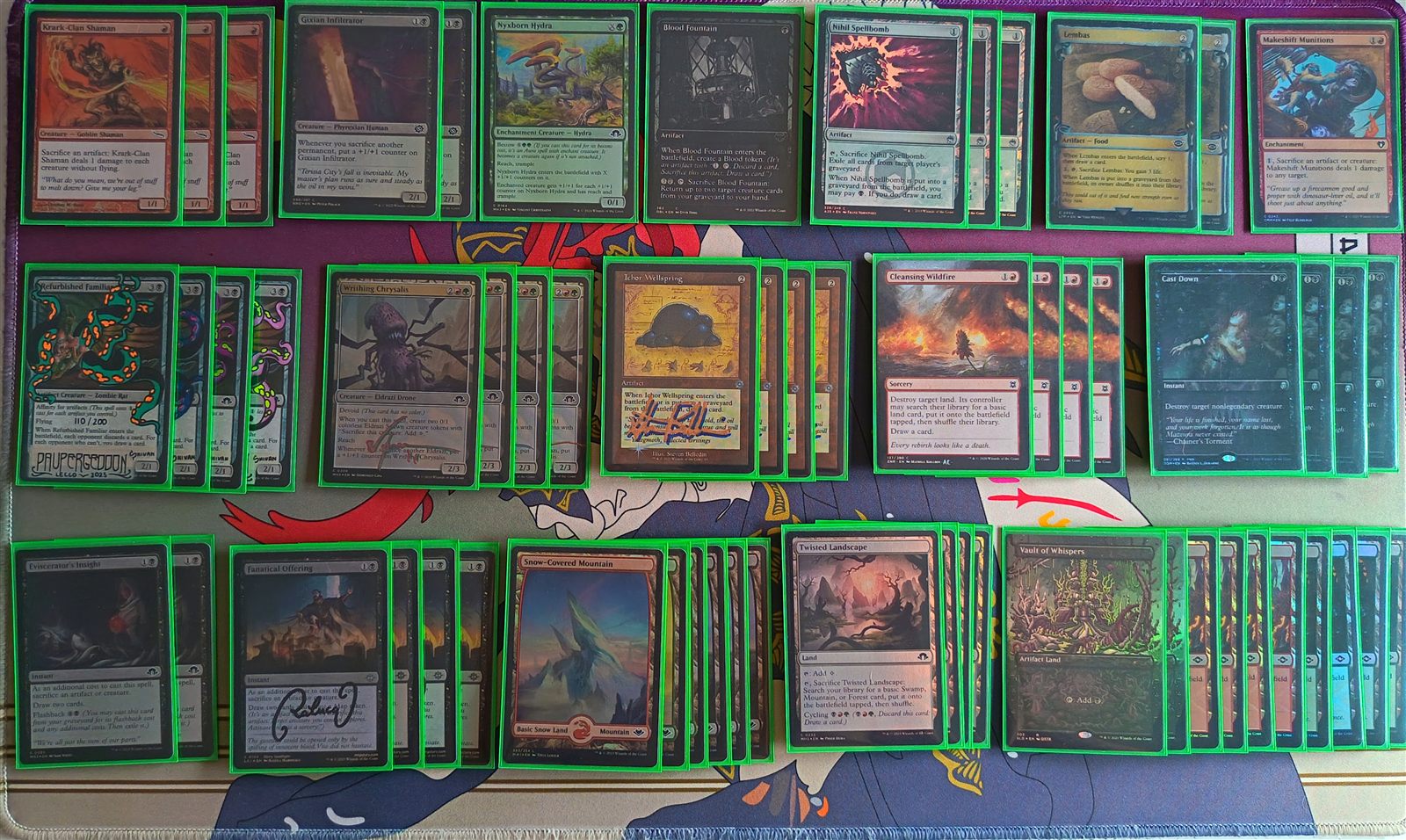
Mainboard
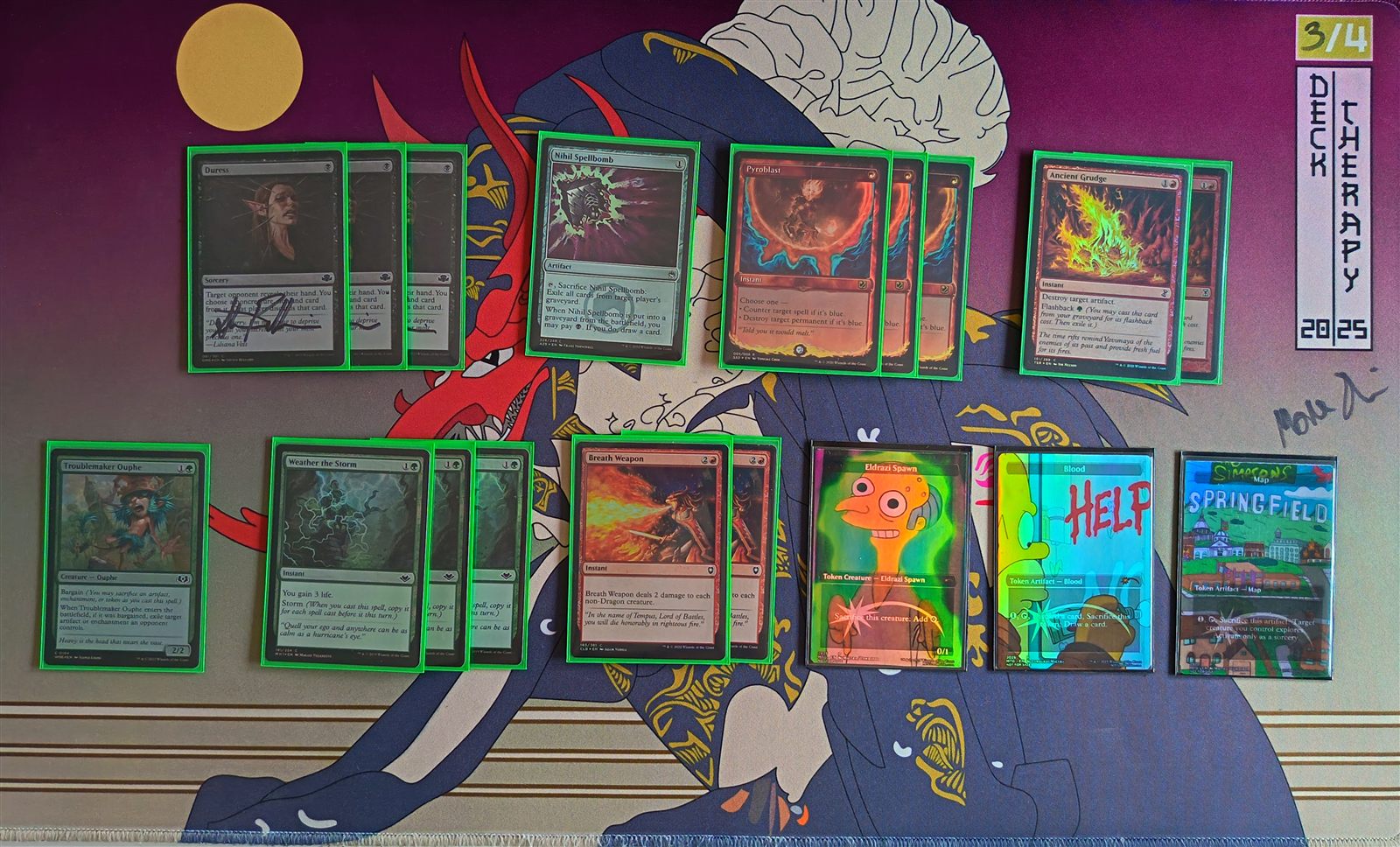
Sideboard
A resilient BRG midrange deck built around Cleansing Wildfire and indestructible Bridge lands, converting artifacts, sacrifice fodder, and mana into a grindy, adaptable value engine.
Mainboard, sideboard, and maybeboard, card for card, exactly as played.
Jund Wildfire is one of the most resilient, flexible, solid, and rewarding midrange decks in the Pauper format.
It has an answer for pretty much everything in the format - it could probably moonlight as a call center.
The deck is built around one of the most efficient value engines in the format: the combination of the indestructible artifact lands - Slagwoods Bridge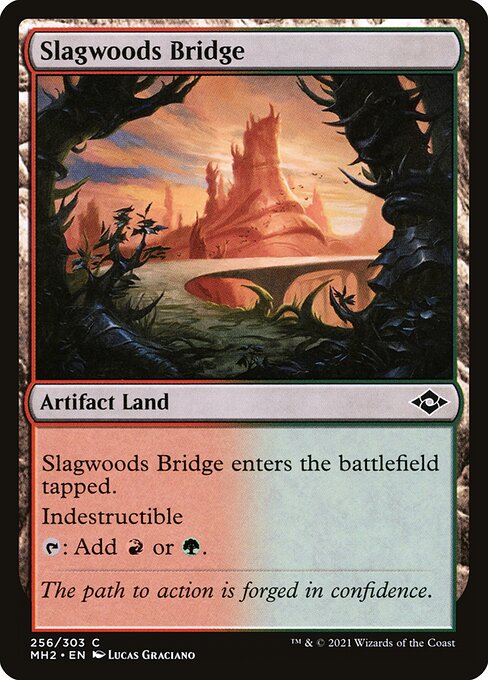 and Drossforge Bridge
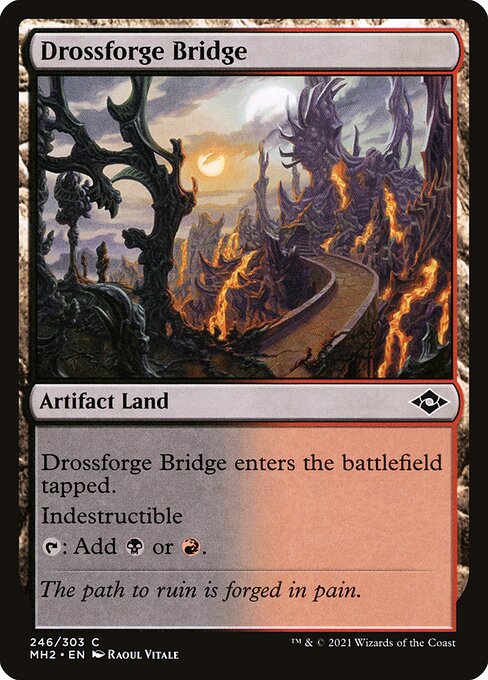 , the "Bridge" lands - and Cleansing Wildfire
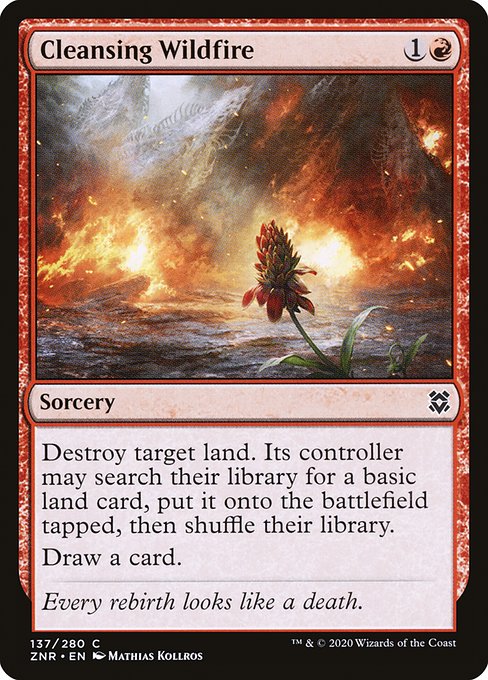 . By targeting your own indestructible land, Cleansing Wildfire effectively becomes a mana fixer, a ramp spell, and a card draw effect, all in a single card.
Around this engine, the deck combines several layers of synergy:
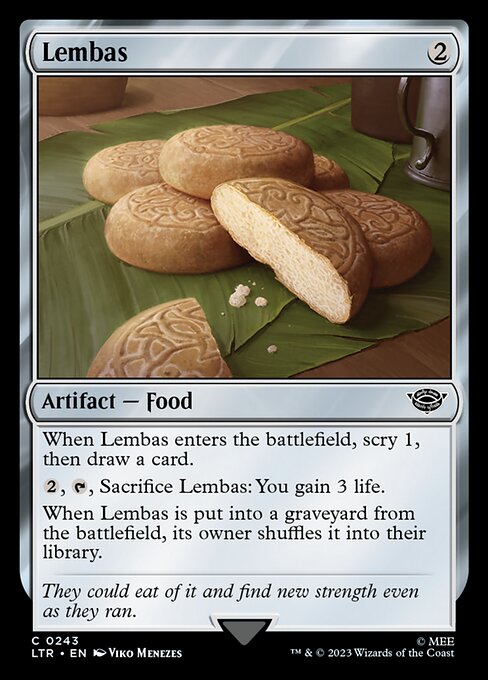
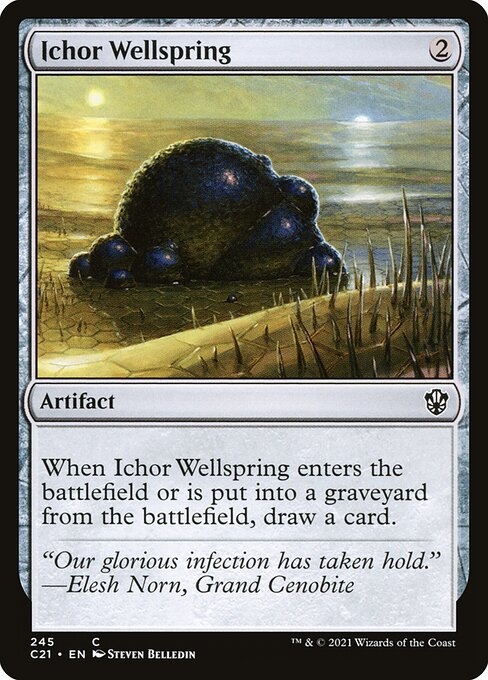 , Lembas
 )
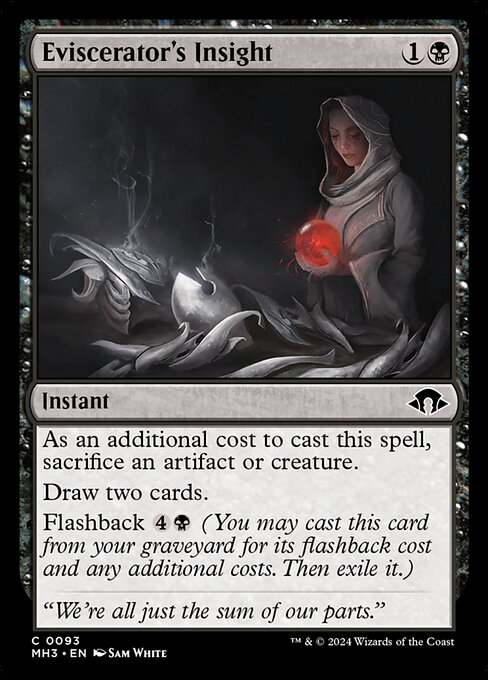
)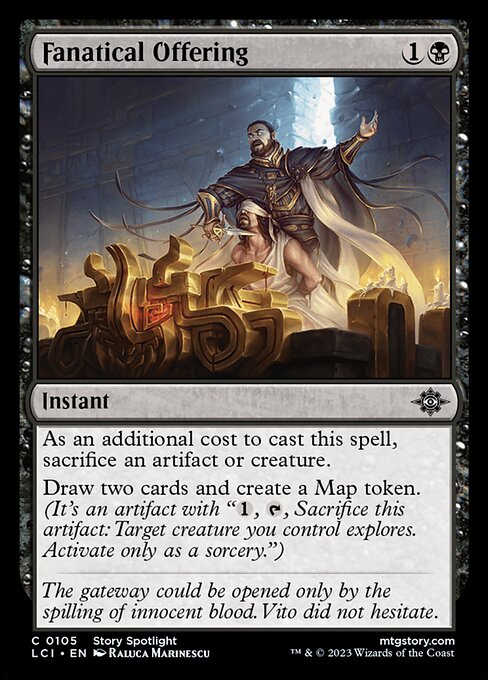 , Eviscerator's Insight
 )
) , Krark-Clan Shaman
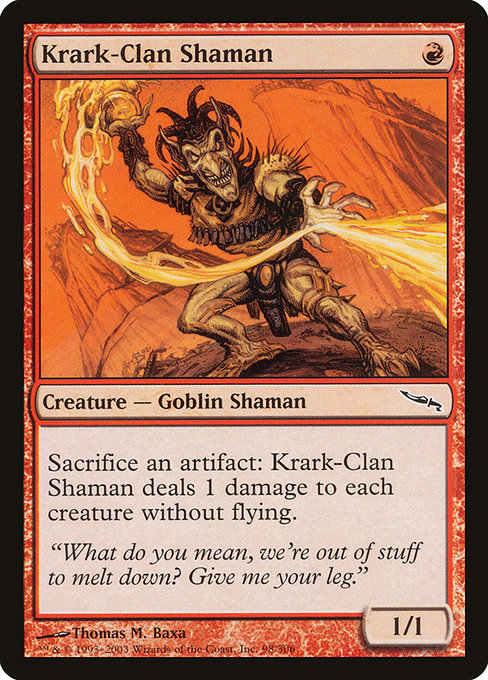 )
)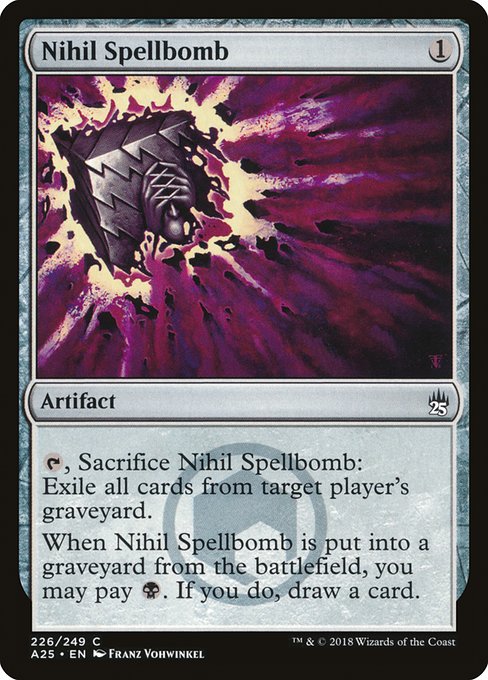 )
)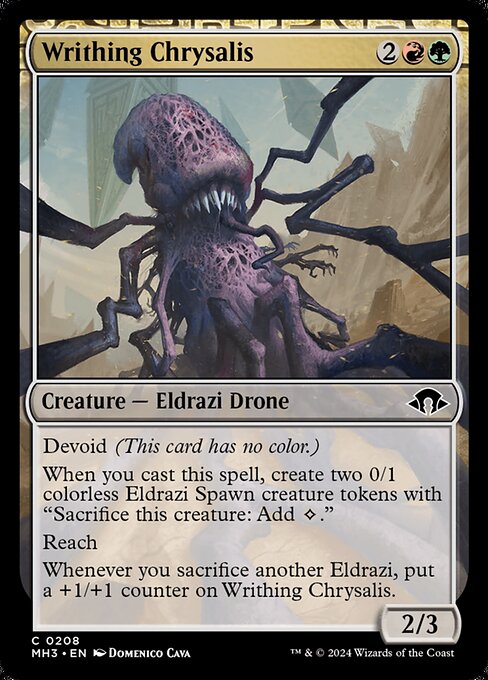 )
)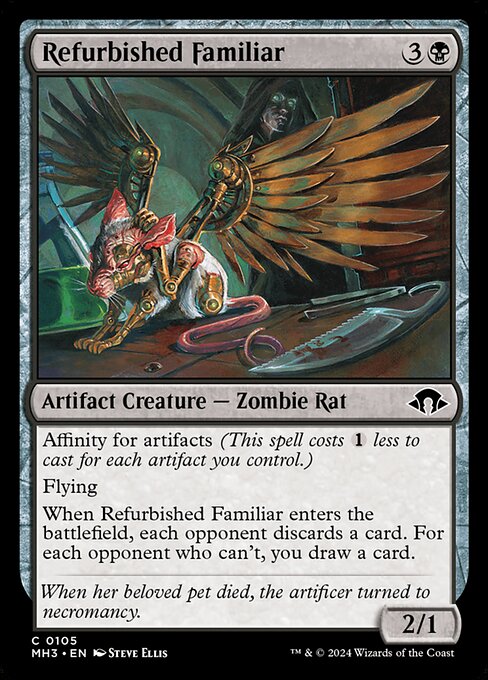 , Gixian Infiltrator
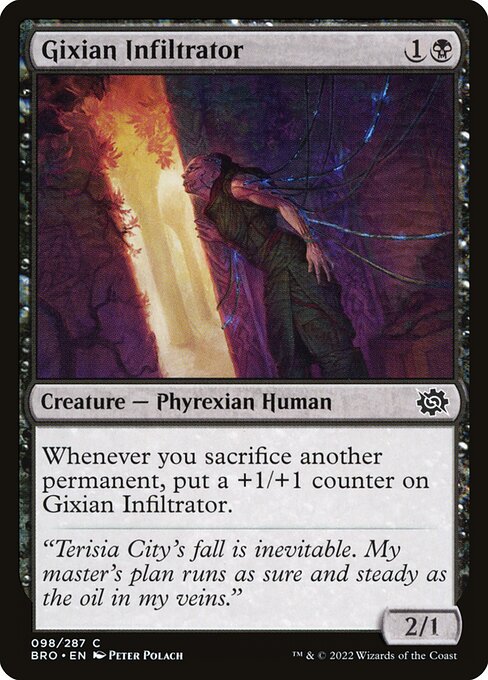 )
)The result is a deck that can stabilize against aggressive starts, compete in long grindy games, and adapt to a constantly shifting meta.
Jund Wildfire wins by turning small exchanges into lasting advantage. Unlike linear decks that lean on one explosive turn, this archetype gradually builds control of the game by squeezing value out of almost every card.
The defining play pattern of the deck is casting Cleansing Wildfire
on your own indestructible Bridge. This interaction produces mana development, color fixing, and a tempo-positive setup for the turns to come. Because the land survives, the exchange is one of the most efficient two-mana plays in the format.
Many cards in the deck are designed to replace themselves or generate extra value when sacrificed. Ichor Wellspring
, Lembas
, Nihil Spellbomb
, and similar permanents mean sacrificing an artifact is rarely a real cost - more often than not, it's exactly how the deck generates its advantage.
Jund Wildfire converts resources fluidly:
Having so many answers does come with a cost, though: be ready for games where you draw the wrong half of the deck and get stuck. On the flip side, in plenty of other games it feels like the cards on top were chosen on purpose to make the matchup easy.
The interaction between Cleansing Wildfire
and the indestructible artifact lands is the structural foundation of the deck. Understanding why this exchange is so powerful is essential to understanding the archetype itself.
Step 1 - Target your own Bridge. You cast Cleansing Wildfire targeting one of your indestructible artifact lands. Because the land is indestructible, it stays on the battlefield.
Step 2 - Search for a basic land. Even though the land survives, Cleansing Wildfire still lets you search your library for a basic land and put it onto the battlefield tapped, improving both mana quantity and mana quality.
Step 3 - Draw a card. Finally, Cleansing Wildfire draws you a card.
The net result: one extra land, better fixing, one card drawn, no real loss. That's why Cleansing Wildfire is often the best setup spell in the deck, and playing it early lets you glide straight into your value turns.
Playing it late still has its uses, too - it can clear the last few lands out of your deck to avoid dead draws, or in specific spots it can even go after a land the opponent actually needs.
The first turns are about building the resource base that will carry the rest of the game. Common early priorities:
on your own land
or Lembas
to disrupt the opponent's hand
ready for when it's neededThe goal at this stage isn't to race. It's to make sure your future turns generate more value than the opponent's.
This is usually where Jund Wildfire starts to pull ahead, connecting its pieces:
plus Fanatical Offering
generates an efficient flow of cards
plus Eviscerator's Insight
creates powerful draw turns
stabilizes the board while producing Eldrazi Spawn
threatens to take over creature-heavy boards
turns sacrifice sequences into real pressureThese turns are often where the game gets decided, even if it keeps going for a while longer.
Once the engine is established, the deck shifts from stabilizing to being simply inevitable, thanks to:
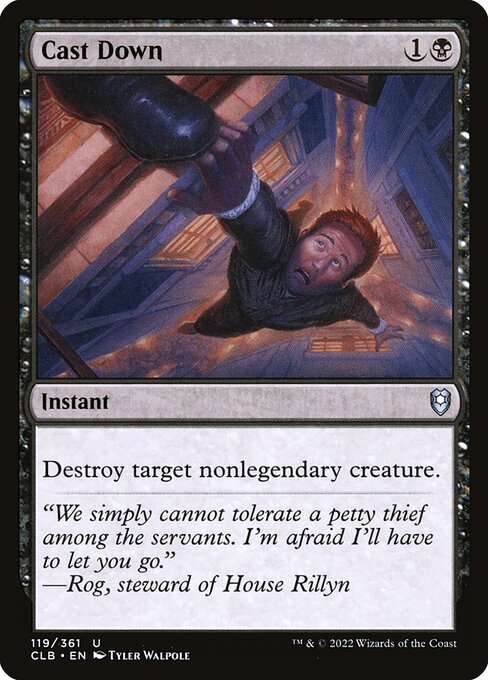
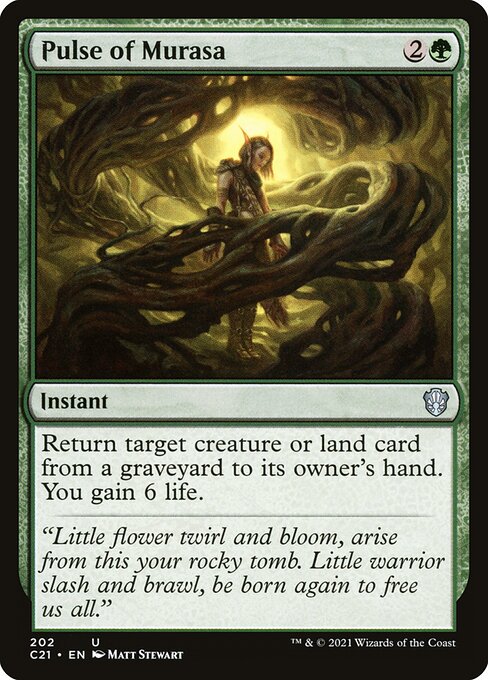 or Cast Down
Jund Wildfire doesn't usually win with one big overwhelming attack. It wins by making every turn more efficient than the opponent's, until they simply can't keep the pace anymore.
This deck should always start with two lands in hand. Never keep a one-land hand. If you do, and then draw a land off the top on your first draw step, we're not friends anymore.
The perfect opening, obviously, is a Bridge, Twisted Landscape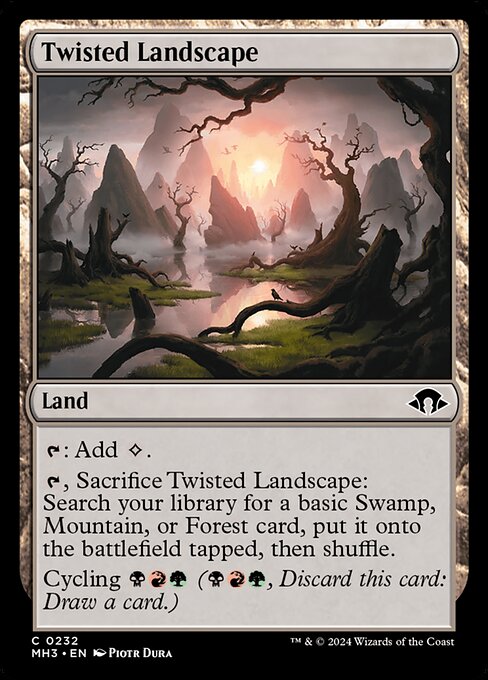 or a basic land, and Cleansing Wildfire
. You can keep that one with your eyes closed.
or a basic land, and Cleansing Wildfire
. You can keep that one with your eyes closed.
Piloting Jund Wildfire well is mostly about sequencing. The deck rewards careful planning and punishes wasted resources.
In most games, Cleansing Wildfire
should target your own Bridge. Denying the opponent a land matters sometimes, but the default plan should be developing your own mana first.
If the opponent points removal at one of your value permanents, look for the chance to sacrifice it first. This matters especially with cards like Ichor Wellspring
, where good timing turns a neutral exchange into a favorable one.
Before activating Krark-Clan Shaman
, think one turn ahead. A good activation can stabilize the board; a careless one can leave you without the artifacts you need to keep the engine running.
Nihil Spellbomb
is one of the most efficient tools in the deck because it disrupts graveyard strategies without costing much tempo - and its activated ability also draws you a card. In most games, using it early and efficiently beats holding it forever for the "perfect" target.
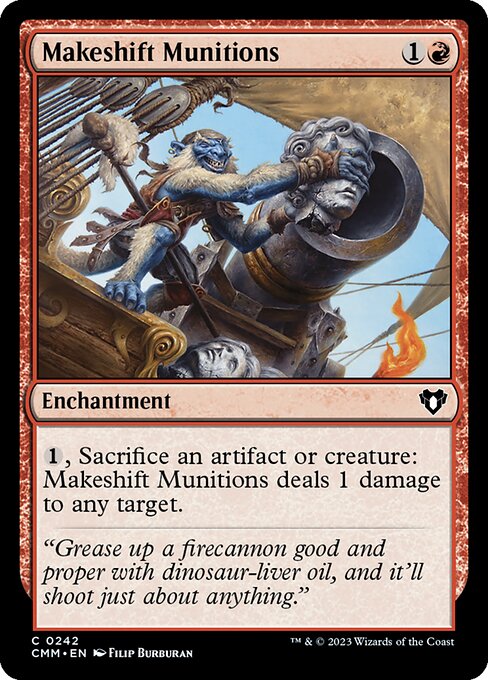
Makeshift Munitions
looks slow, but in long games it changes the combat math, pressures boards that would otherwise stall out, and turns disposable resources into inevitability.
Jund Wildfire produces long, decision-heavy games. That means match time matters. Avoid low-impact lines in the early turns, and be realistic about when a game is no longer recoverable. Conceding a game is often the best way to win the match.
Now that we've covered the deck's overall structure, let's get to the list I personally play.
The lists below are pulled directly from Jund Wildfire, the deck I track here on MyDeckStats, so they always reflect whatever I currently have registered - not a fixed snapshot.
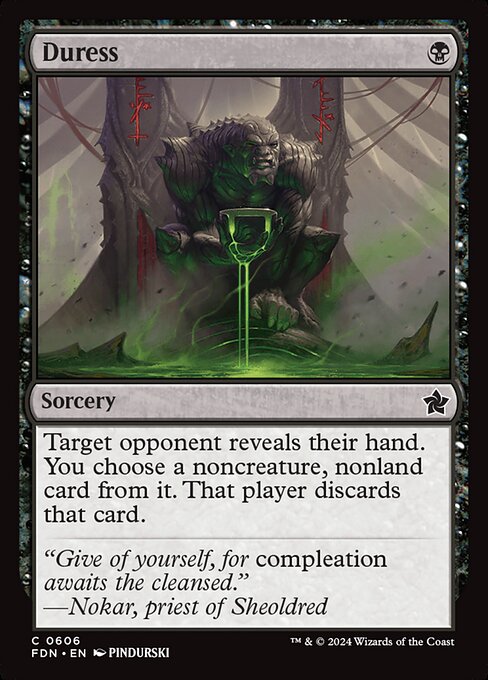
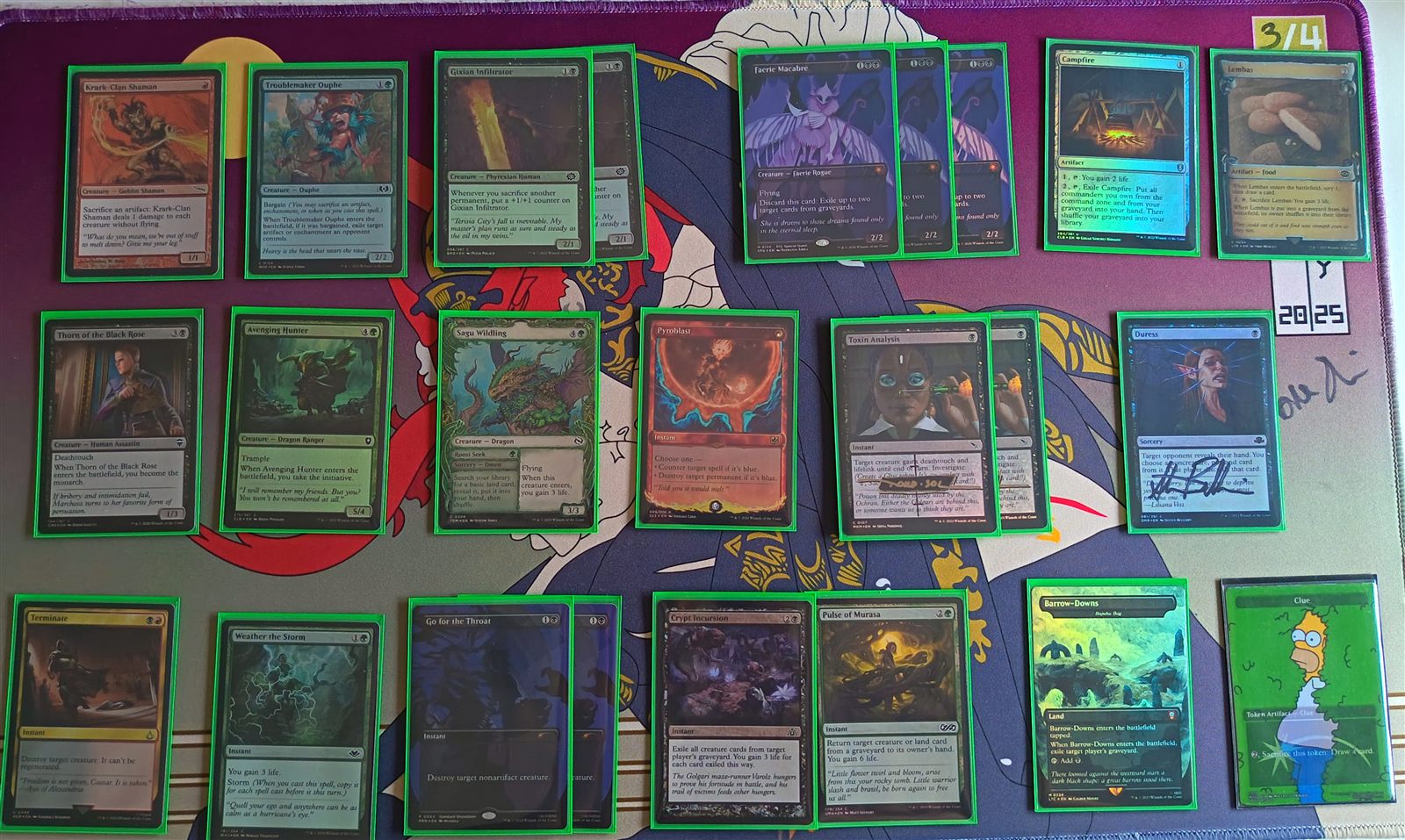
Wildfire doesn't leave a ton of room for personalization compared to other decks, but as an upside, the whole player base's lists tend to adapt together as the meta shifts. Here are a few cards that have moved in and out of the main or the sideboard.
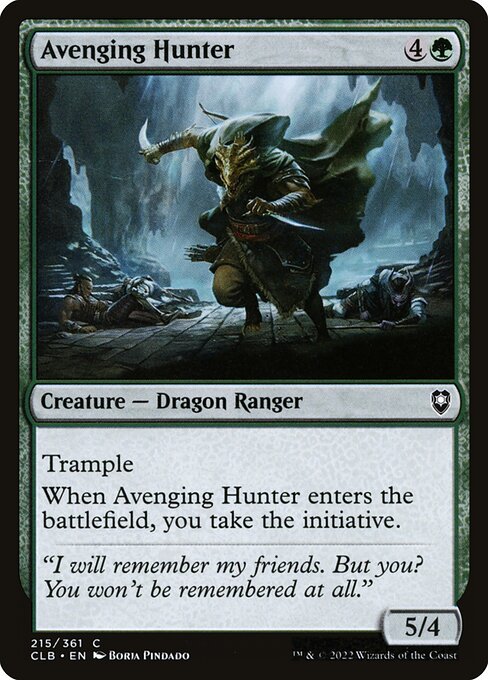
A strong option in grindy matchups, especially in the mirror and against BG Gardens , where the Initiative can flip a game on its own.
The downside is that it can be hard to protect, and in several matchups you're happy to side it back out. That's why it lives in the sideboard, brought in when the meta is full of Gardens decks.
On paper it's a strong late-game threat that scales well into long games. In practice, in metas with a high density of blue counterspells or white exile-based removal, it can be too unreliable to justify a slot.
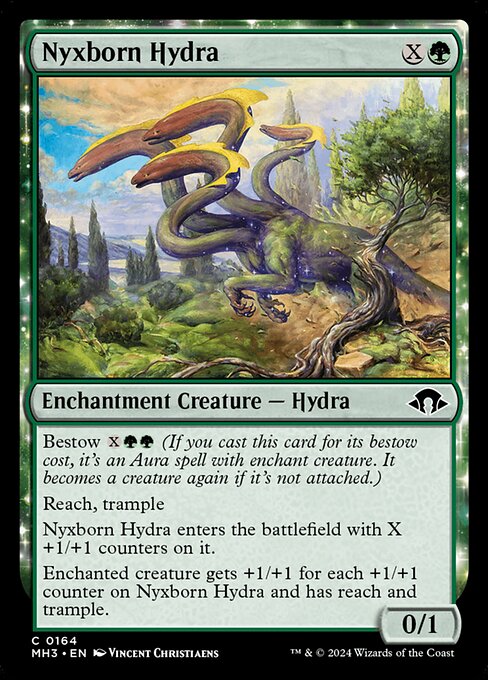
It also comes down to which build you want to play: Gixian or Hydra?
Gixian Infiltrator
doesn't want Toxin Analysis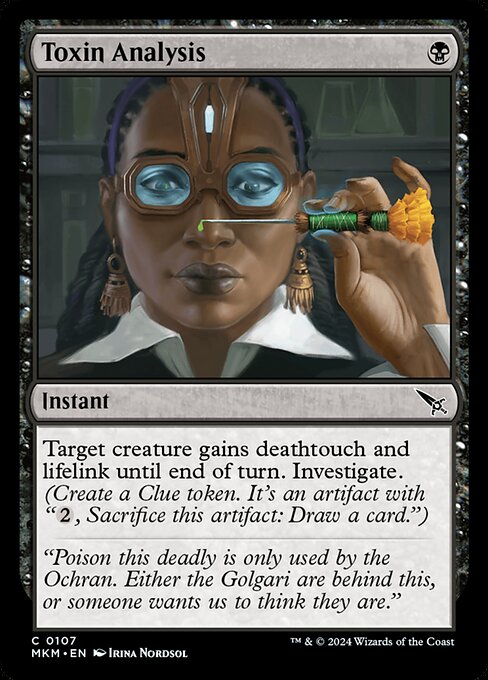 in the deck, because the Toxin Analysis plus Shaman combo would be just as destructive to us as it is to the opponent, so Gixian isn't optimized around it. Nyxborn Hydra, on the other hand, is great if you want to build around the Toxin Analysis plus Shaman combo.
The usual line is bestowing the Hydra onto a flier (a Familiar, since flying keeps it from being blocked back) and being able to pick off the opponent's whole board. Alternatively, you can bestow it onto the Shaman itself if you'd rather ping every creature for one or two damage each turn while keeping the Shaman around.
If you want more control, go the Hydra plus Toxin Analysis plus Shaman route. If you'd rather be faster and more explosive, go Gixian plus Shaman.
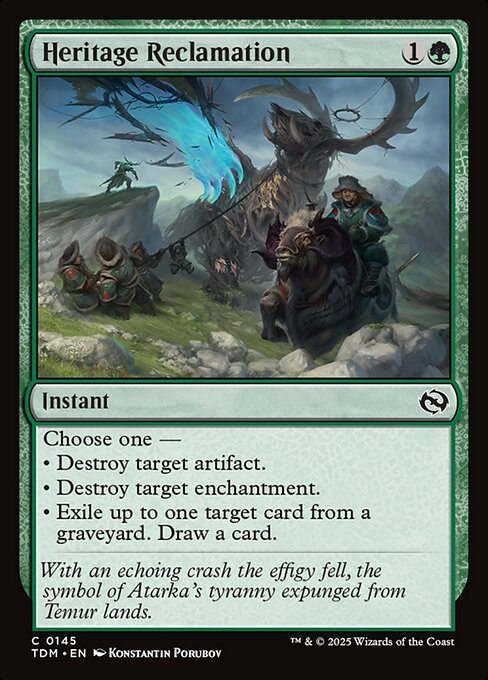
For a while I considered this one of the strongest cards in the sideboard. It's true it can't strip lands in the mirror, since the Bridge is indestructible - but a card that destroys an artifact or enchantment, exiles a card from a graveyard, and draws you a card has basically everything you need in this meta.
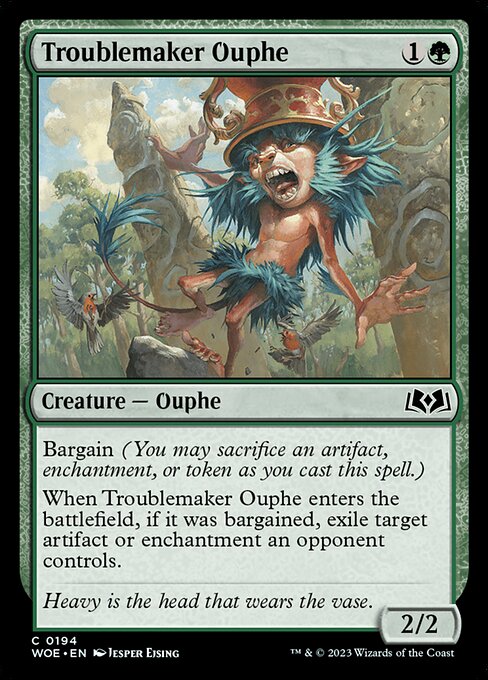
Troublemaker Ouphe
has a couple of extra advantages: it's a blocker, it can't be picked off by Duress, it doesn't sit under non-creature counter effects, and it has great synergy with Ichor. So unfortunately, Heritage Reclamation ends up in second place.
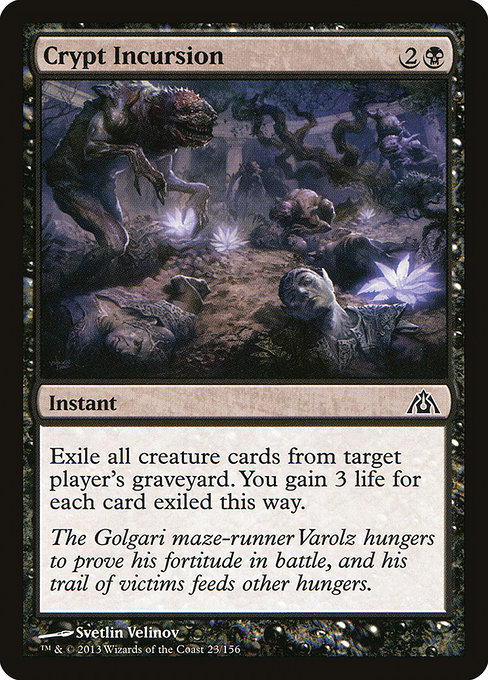
Back when Spy and Dredge were exploding in popularity, you didn't leave the house without this card in your pocket. It was actually maindecked for quite a while.
Sometimes I still use it to blindside league opponents running Sneaky Snacker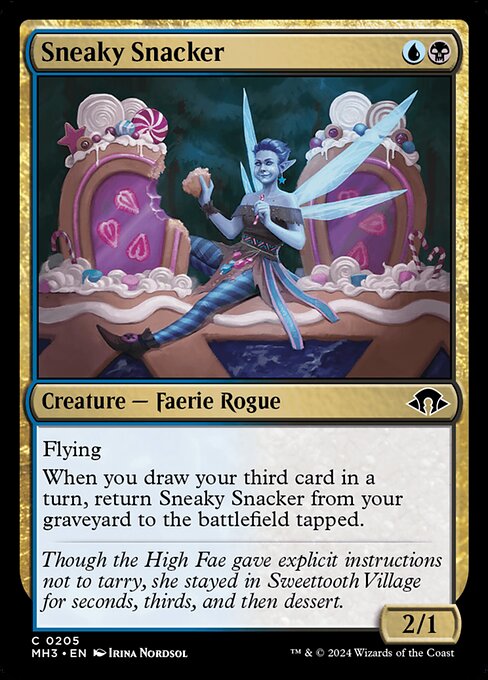 or aggro decks. "Shaman, exile everything, gain 30 life."
But its time has mostly passed - three mana open is too much of an ask for how fast the meta has gotten.

Yet another tapped land that only clears a graveyard once, which isn't always relevant. Zero flicker effects in this deck to get more mileage out of it either. Not very efficient.
Excellent if you want to fully lock down the board - a genuinely grindy card for the opponent to play against. As mentioned above, whether it earns a slot depends on your play style and on the meta you're expecting.
There's really only one answer here: the Chrysalis. It's an impassable wall for them. Our Cast Down
s kill their early Faeries so they can't ninjutsu in and build up pressure with Spellstutter Sprite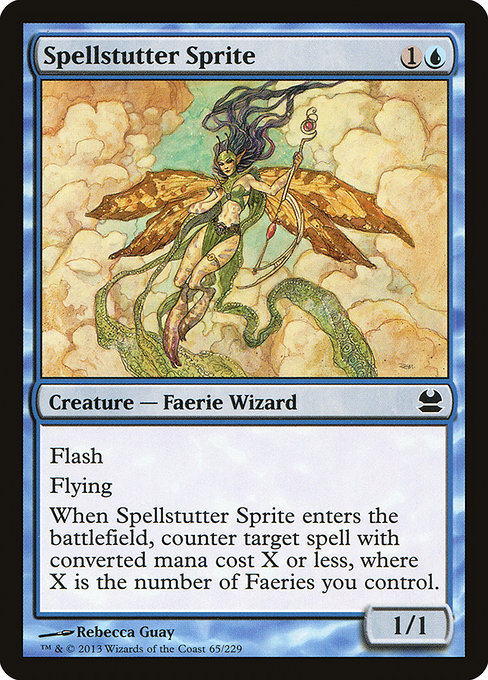 . If we land Munitions, the game is over for them.
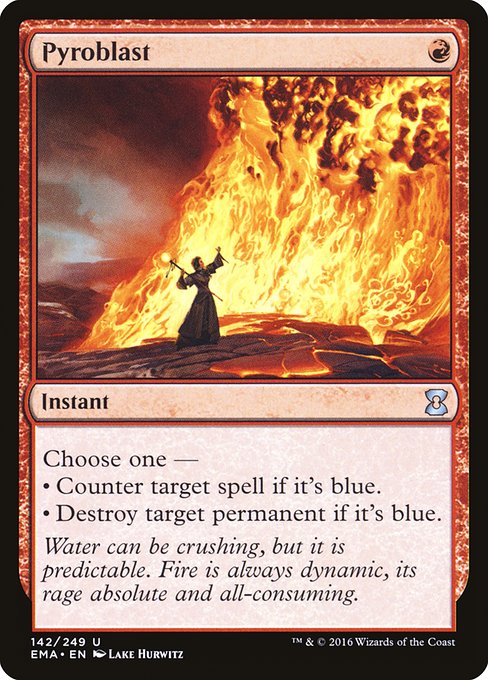
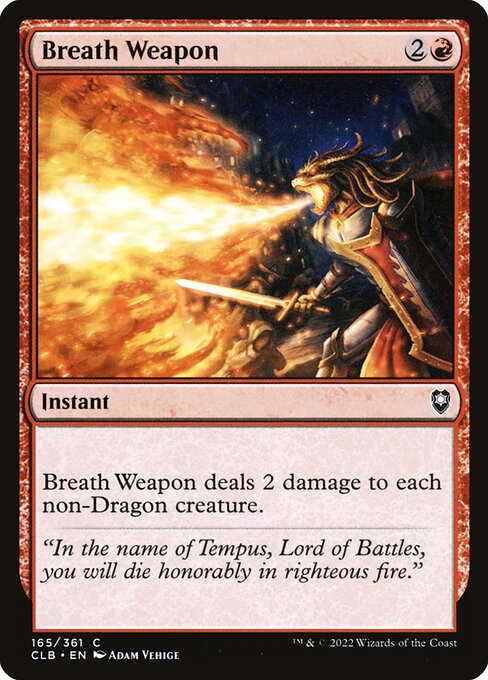
Game 1 you can hold their Ninjas back with the Shaman. Post-side the Pyroblasts and Breath Weapons come in too. All in all, they're not exactly thrilled to play against us.
This one isn't as easy as Mono Blue Faeries, but it's still very manageable. They do have a variety of removal spells that can pick off our Chrysalises, but we can control the board with our own. So if we manage to steal the monarch, the game is basically decided.
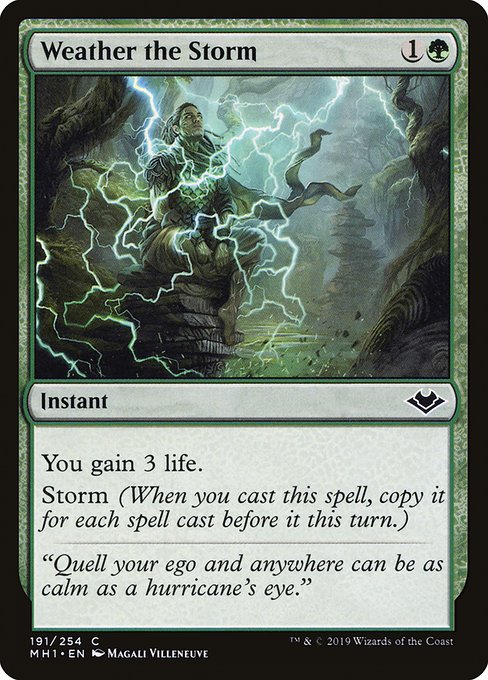
This one basically shuts off with a single Shaman. Games 2 and 3, Weather the Storm
and Breath Weapon come to the rescue too. Not much else to say: as usual, the Chrysalis stabilizes the board, the Familiar makes them discard, and on top of that it's a deck that burns through a lot of its own resources early. If we get past turn five, the game is ours.
Well… it can't destroy our lands. Not much else to add. Its brother, Gruul Ramp (the creature version), shouldn't be underestimated, though, because of its cascade creatures.
We have Spellbombs, and if we slam one down right away, we set them back by three or four turns at least. Remember to activate the ability while it's milling you - a creature could potentially come off the mill, so make sure you're not caught unable to answer a Tolarian Terror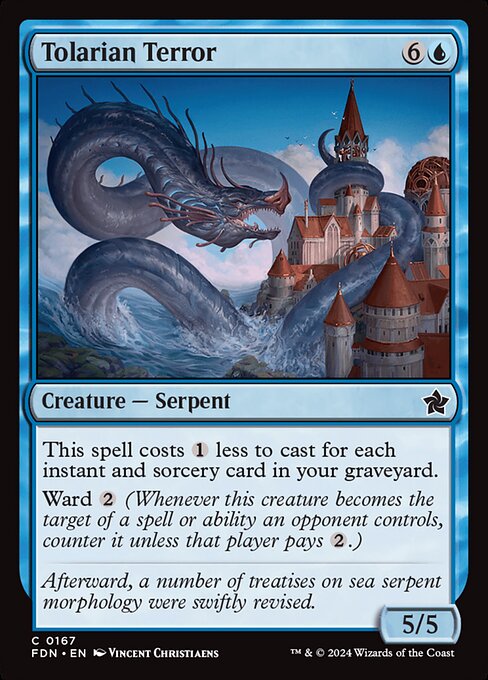 the moment it's cast.
The Chrysalis, or better yet the Eldrazi Spawn it makes, are excellent blockers. Delver of Secrets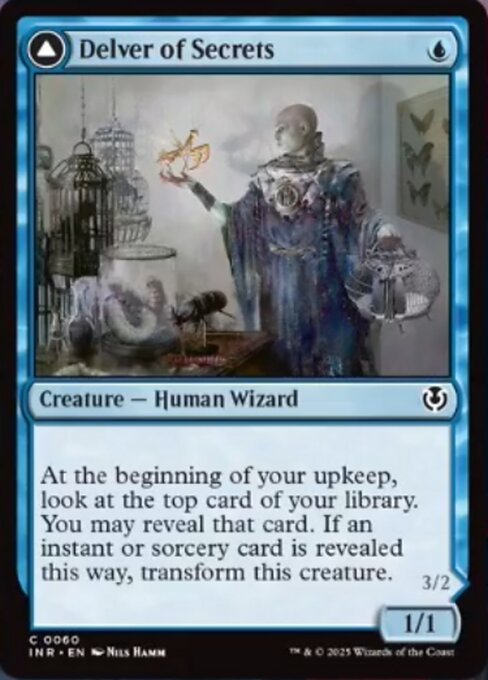 gets blocked comfortably by Refurbished Familiar.
Careful post-side: they'll have plenty of Annul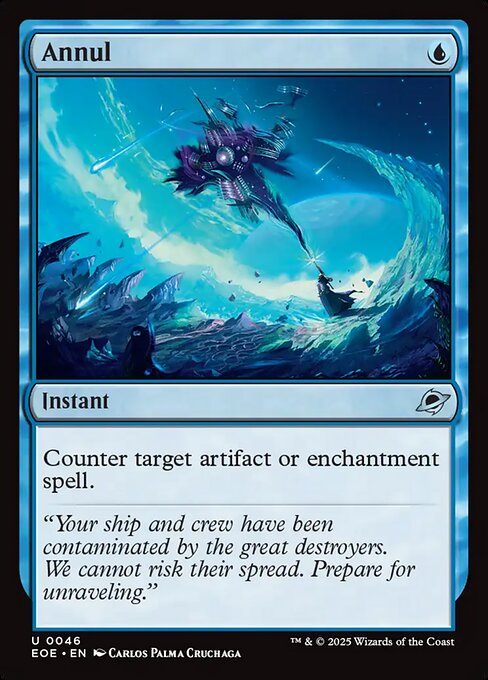 and Steel Sabotage
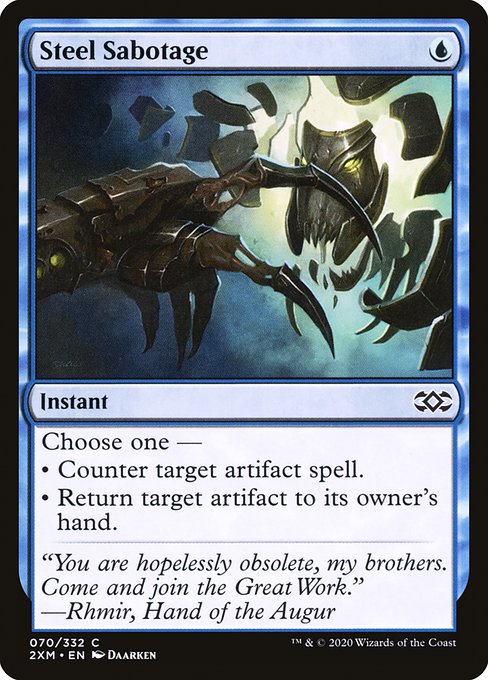 effects. Watch out for casting Wildfire on your own Bridge - it could get bounced right back into your hand. Play your Ichors and Lembases carefully too, or they might strip the engine right out of the deck.
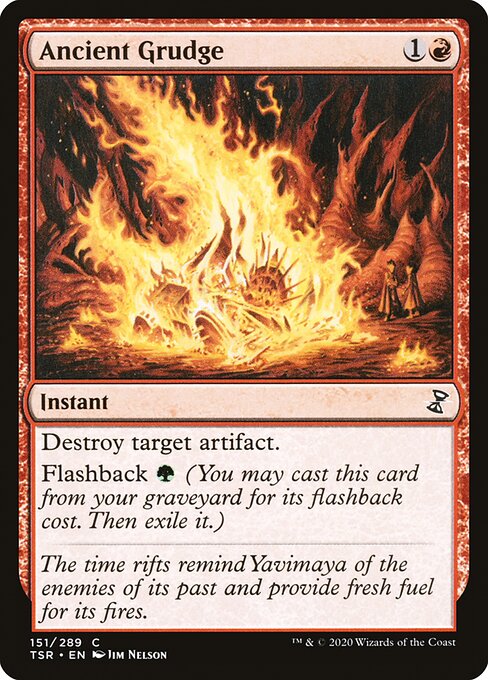
I'll go out on a limb and put this one in the favorable column. Our creatures keep it well under control. Our removal can be used to shut down any Toxin Analysis combo attempt. Post-side, Ancient Grudge
comes in, and it's an incredible answer against this deck. All in all, we're not exactly sad to see this matchup across the table.
This one ramps very, very quickly. If possible, take out their Arbor Elf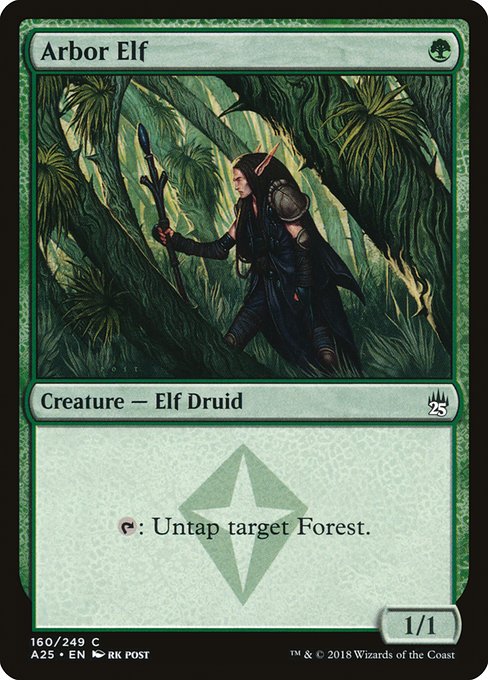 right away. The Shaman is essential to holding it back. But if the board stalls and they take the Initiative, we can end up in real trouble. Wildfire, of course, is fantastic on their most enchanted land, but as you're noticing, our whole goal here is just to slow them down as much as possible.
On paper this isn't a complicated matchup. In fact, if we land the Spellbomb and remove their Goblin Anarchomancer or Thornscape Familiar, we make their combo unstable, and we're ahead. But it falls into that category where you need to see the right cards at the right time, and it's a deck that can close the game out as early as turn three or four. So if Game 1 we don't know who we're up against and they beat us, they could easily steal one of the next two games as well.
Another matchup where we're not at a disadvantage. The Shaman is very strong, but you need to watch out for their Prismatic Strands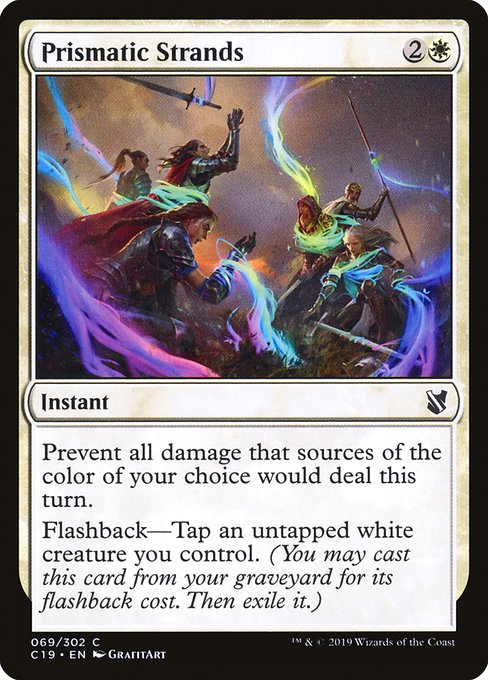 , or it can remove the Shaman and prevent the second hit while keeping everything alive. The real problem is Leonardo, Big Brother
 , which - being legendary - doesn't sit under Cast Down.
Sequence the Spellbomb carefully between Battle Screech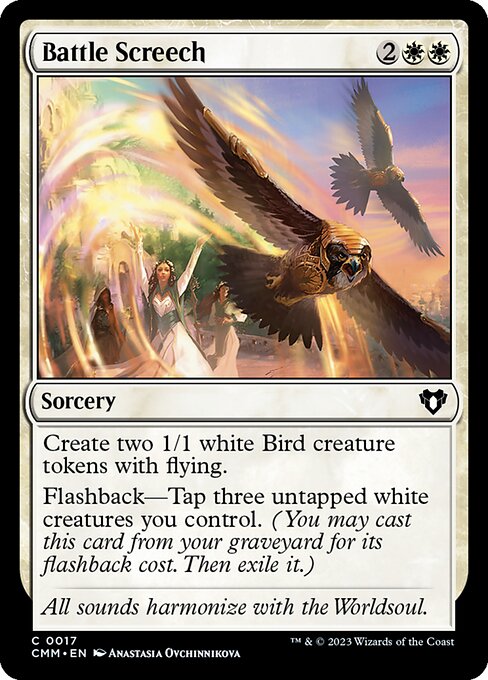 and Prismatic Strands: the only way we have to interact between the cast and the flashback of Battle Screech is if they have Lunarch Veteran
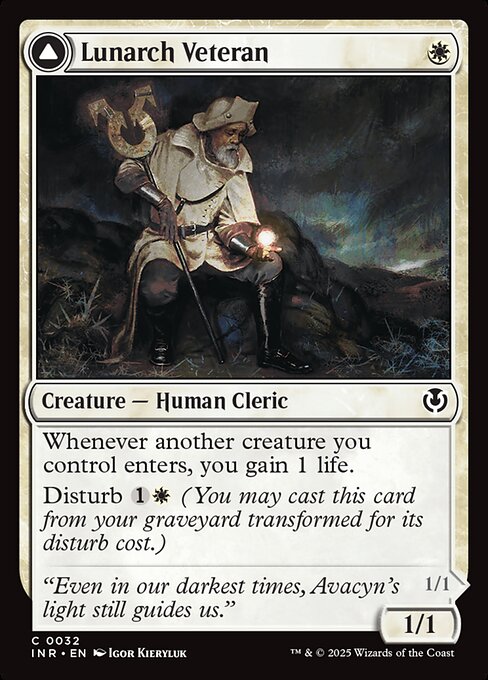 in play, since its trigger fires when the bird tokens enter - that gives us a window to crack the Spellbomb before they can activate the flashback.
Ah... and obviously, when they win, it's because of Battle Screech. Six birds, Leonardo, and it's over.
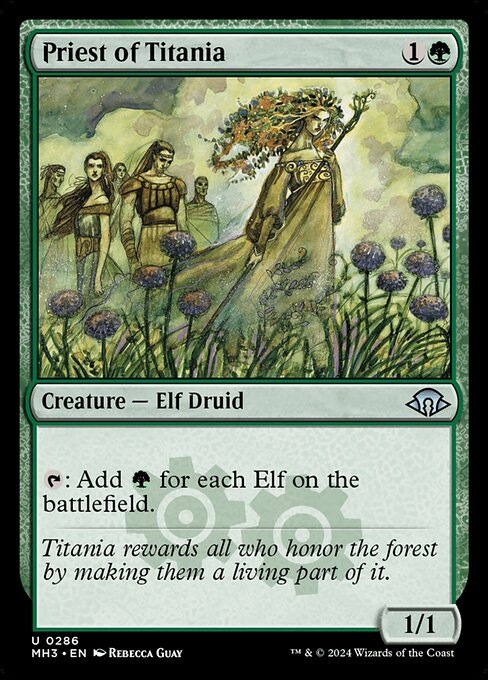
The Shaman is extremely strong here, that's true. But they're fast - very fast. The first Cast Down should go on Quirion Ranger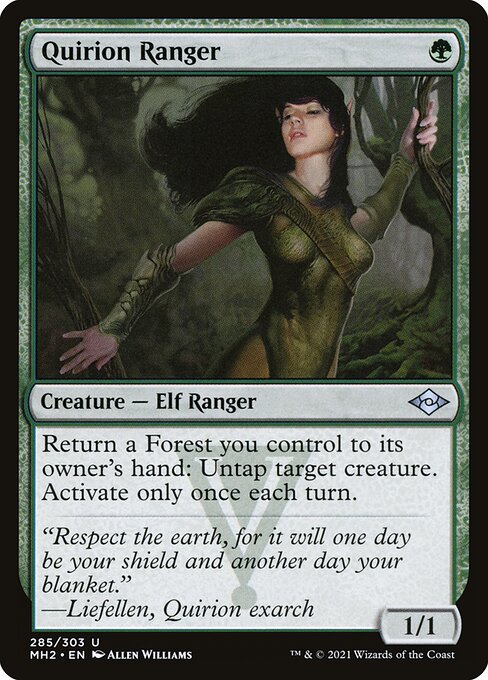 or Priest of Titania
 . The Shaman needs to come online sooner than you'd think, because if they land the Initiative plus a Hydra, our game is pretty much over. They also have a strong opening of their own: Masked Vandal
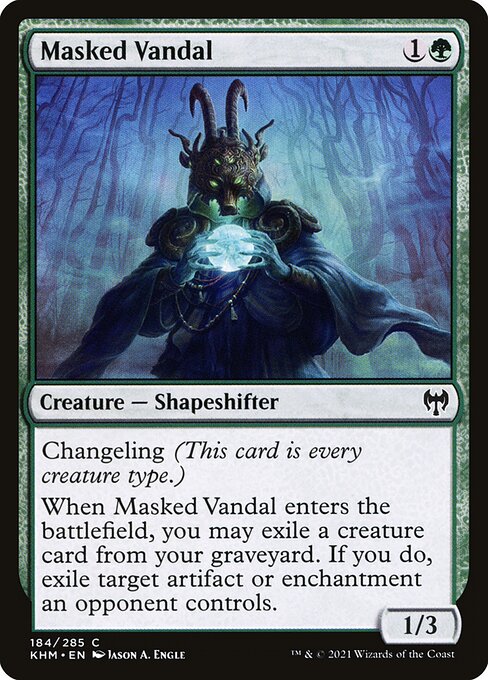 on our first Bridge. A close, hard-fought matchup.
I won't say anything about Spy, because it's currently my favorite deck - hahahaha.
There's a guide for it: the Spy Combo deck guide.
They have a lot - too much - removal. The Spellbomb needs to be used 99% of the time to stop the second ability of Campfire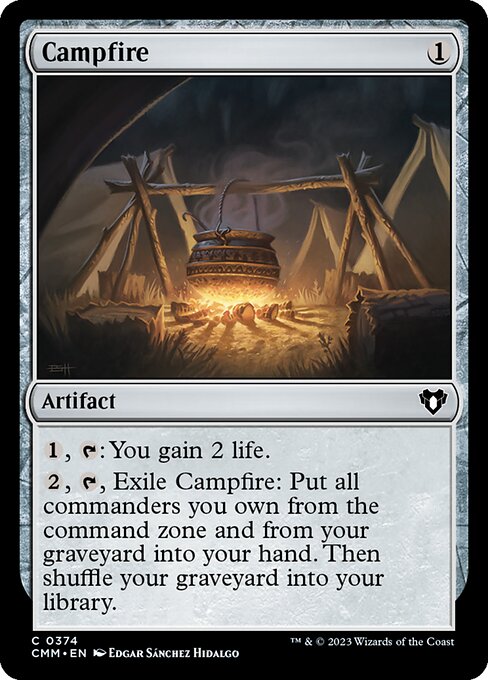 from going off. It's a matchup that goes long, especially in paper. Decking yourself out is a real possibility.
The strongest line is probably landing several threats at once so there's simply too much for them to answer. Or landing a couple of Gixians, growing the +1/+1 counters, and applying pressure right from the start (if they're holding up Defile, their only outs are Tithing Blade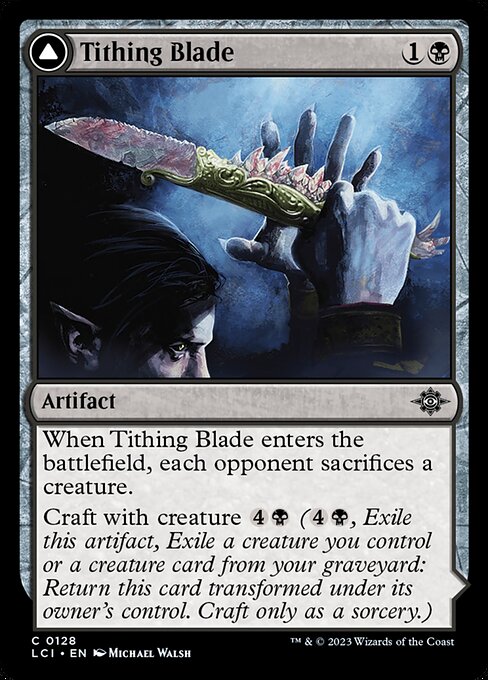 or Cast Down). Speaking of Tithing Blade - that's their real closer. If they flip it early enough, it puts the game seriously uphill for us.
These are the matchups we can win, but that make us sigh when we see them across the table.
Pre-side, it's almost impossible to win. Guttersnipe comes down when it's already lethal, so our removal is useless by the time we'd want to cast it. The Spellbombs are essential for taking out Sneaky Snacker
and letting us "choose" when they get to flash back Lava Dart
comes down when it's already lethal, so our removal is useless by the time we'd want to cast it. The Spellbombs are essential for taking out Sneaky Snacker
and letting us "choose" when they get to flash back Lava Dart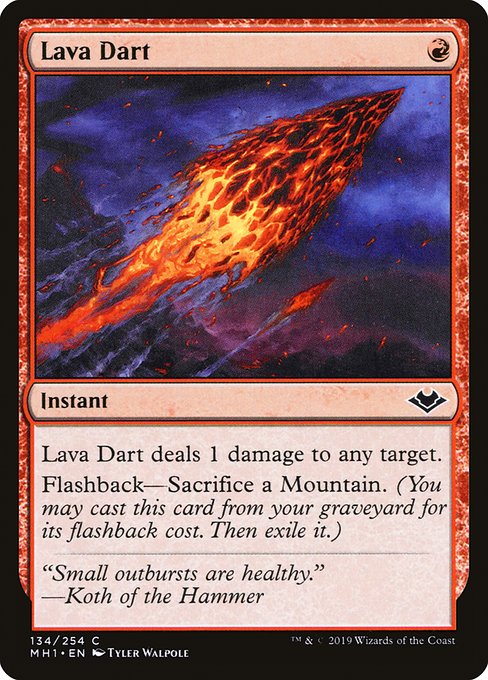 .
.
Post-side things get better, but it's one of those matches where you're required to see the right half of the deck and can't afford to waste a single tempo.
Keep in mind that in this matchup the best defense is a good offense. There's no point holding up mana in some spots when tapping out for four and playing a Chrysalis could put a lot of pressure on them over the following turns. If they're the ones playing under pressure, we get more time to find Weather the Storm
.
This is genuinely a great deck. It was born thanks to MH3, so right now it has some of the strongest cards in the format all working together. It adapts well to the meta, and by now it's as much of a fixture of the format as Terror or a "red deck wins" list.
It rewards player skill a lot, and it really does deliver plenty of satisfying moments.
I wrote this guide from my own point of view. I played it for an entire year without changing a single copy, before eventually moving on to a deck I personally enjoy more (and with which I'm getting better results, since it fits my play style better - Spy Combo).
If you want to go deeper into the archetype, straight from the words of the person who built it and knows every last detail, I'd recommend walker735's guide.
No saved sideboard plan matches "".
Create a free MyDeckStats account (or sign in) to read the rest of this guide: the Wildfire engine breakdown, the live decklist, cards considered, and every matchup.
Every guide here works the same way: a live decklist and matchup notes pulled straight from tracked results, not a snapshot that goes stale.